Trump, Musk and the Starlink Crisis: Ukraine’s Military Communications at Risk

Editor-in-chief at Vireon Press, covering business and technology through the lens of strategy, efficiency, and real-world consequences.
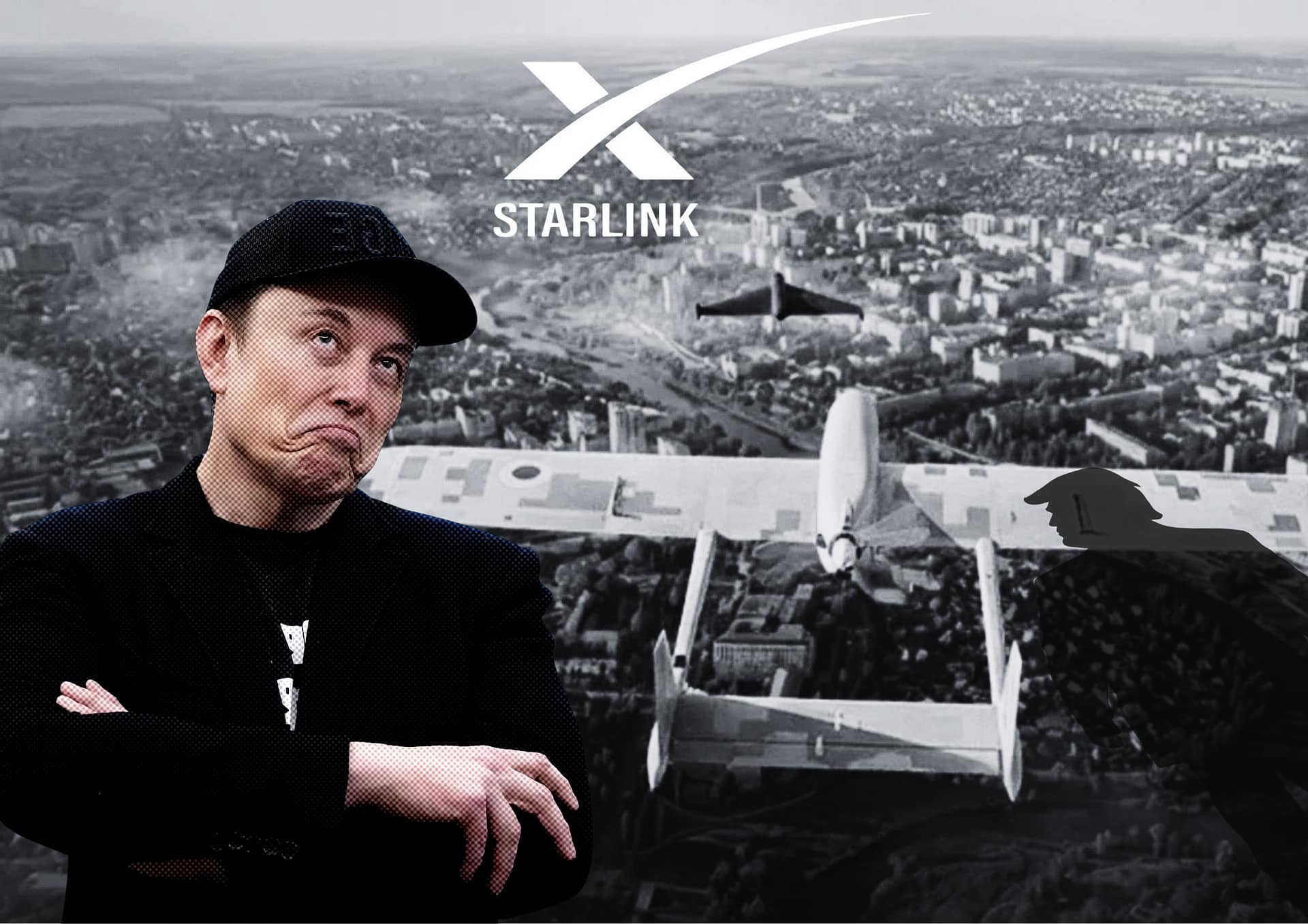
On October 14, Ukrainian frontline forces reported sudden, unannounced restrictions on Starshield, SpaceX’s military-focused satellite communications service. According to Ukrainian military technology advisers, connections began dropping when terminals moved faster than 160 kilometers per hour, compromising interceptor drone missions [1].
The restrictions emerged amid growing tensions between Washington and Kyiv. President Donald Trump’s administration has pressed Ukraine to halt long-range strikes on Russian energy infrastructure, while SpaceX chief Elon Musk has publicly criticised Ukrainian President Volodymyr Zelenskyy.
The reason for the restrictions remains unconfirmed, with no evidence that Washington ordered them. The incident nevertheless raises a difficult question: how much control does Ukraine retain over military communications operated by a private American company?
Trump’s Pressure on Ukraine
In February 2025, during negotiations over a Ukrainian minerals agreement, US negotiators reportedly raised the possibility of restricting the country’s Starlink access. Elon Musk denied that such a threat had been made [2]. According to the report, the potential loss of satellite connectivity was raised as Washington sought economic concessions from Kyiv.
Military communications cannot be treated in the same way as other forms of American assistance. A weapons shipment can be delayed before reaching the front. Satellite connectivity, however, supports operations already underway. Restricting access could interrupt missions that depend on the service, leaving Ukrainian forces to deal with the consequences of negotiations taking place thousands of miles from the battlefield.
For Ukrainian civilians, the danger is not a loss of internet access but a potential weakening of the systems protecting them from Russian attacks. Reconnaissance drones help Ukrainian forces detect threats, while interceptor drones are used to destroy incoming Russian drones before they reach populated areas and energy facilities [3]. Restrictions affecting these operations could reduce the time available to detect and neutralize an incoming attack.
Musk’s Control Over Starlink
Ukraine’s deeper vulnerability lies in its reliance on Starshield itself. SpaceX developed the service for government and national security operations, using technology derived from Starlink. Unlike the loss of individual equipment, wider restrictions on the network could affect several military operations at once, including those that depend on a continuous exchange of battlefield information. Ukraine would have limited ability to restore that capacity independently, since the network and its operating conditions remain under SpaceX’s control.
That concentration of authority has been questioned before. A July 2025 Reuters investigation reported that Musk ordered Starlink coverage restricted during Ukraine’s 2022 counteroffensive near Kherson, disrupting military operations. Musk and SpaceX disputed the account [4]. There is no evidence that Musk ordered the latest Starshield restrictions.
The operational friction also exposes a gap between operational responsibility and technical authority. Ukrainian commanders remain responsible for missions that depend on Starshield, but decisions about network access rest with SpaceX. If those decisions interrupt an operation, the consequences fall on Ukrainian forces, while the company making them operates outside Ukraine’s military chain of command.
The Global Cost of Private Military Infrastructure
Ukraine is hardly the only country that has built military capabilities around technology it does not control. Commercial satellite networks offer coverage and capacity that would be prohibitively expensive for many governments to reproduce. The attraction is obvious. So is the problem when access becomes uncertain during a war.
Military alliances have traditionally relied on governments to honour their security commitments. The growing role of private technology companies complicates that arrangement. A government may promise military support without having direct authority over every system its partner depends on. For countries relying on American technology, the reliability of a security partnership increasingly depends on decisions made beyond the institutions responsible for maintaining it.
Washington has benefited from the global reach of American technology companies. Their systems give allies access to advanced capabilities and reinforce the United States’ position as a security partner. But that advantage depends partly on trust. If governments begin to treat American-operated networks as another source of political exposure, the commercial success of those networks could become an argument for developing sovereign options.
Europe has particular reasons to pay attention. Building independent satellite capacity is expensive, and duplicating an established network may appear inefficient. Yet the cost looks different when measured against the possibility of losing communications during a military crisis. Governments may decide that maintaining a less capable domestic network is preferable to having no independent coverage at all.
None of this means private satellite providers are about to disappear from military operations. Their technology is too useful, and national replacements will take time. What Ukraine’s experience changes is the calculation behind relying on them. The price of satellite connectivity is no longer just what a government pays for the service. It also includes the political risk of depending on whoever can switch it off.
Sources:
[1] Reuters — Ukraine says SpaceX limits Starlink operations, disrupting military
[2] Reuters — US could cut Ukraine’s access to Starlink internet services over minerals, say sources
Editor-in-chief at Vireon Press, covering business and technology through the lens of strategy, efficiency, and real-world consequences.

Building Before the Demand: ASML’s Long-Term Semiconductor Bet

The End of the Open Market: When AI Starts Buying Years Ahead
When Infrastructure Needs a Passport: Inside the New US Power Grid Rules

Why Smart Devices Still Feel Less Smart Than Promised


Why Smart Homes Still Have a Trust Problem
Advertisement