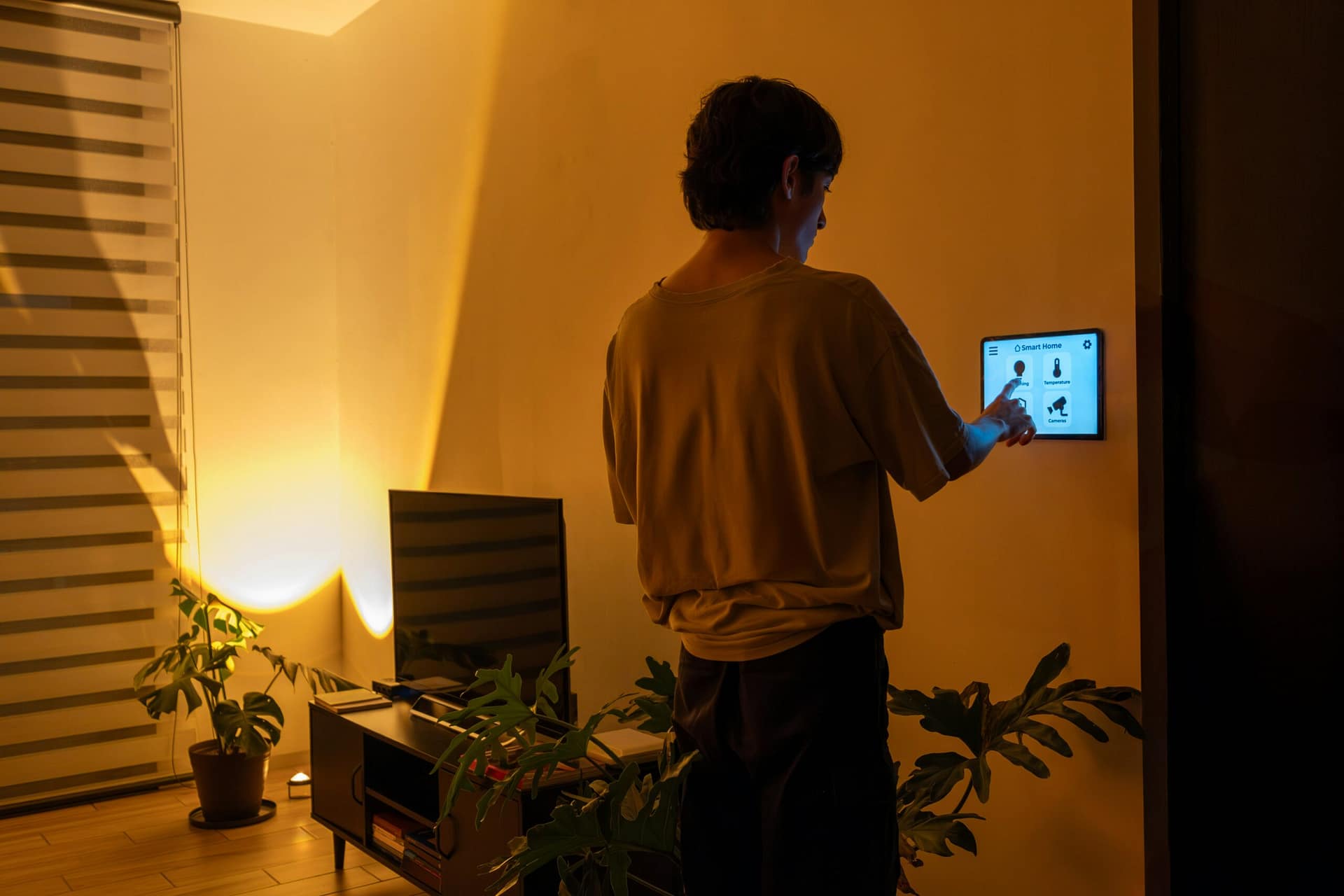
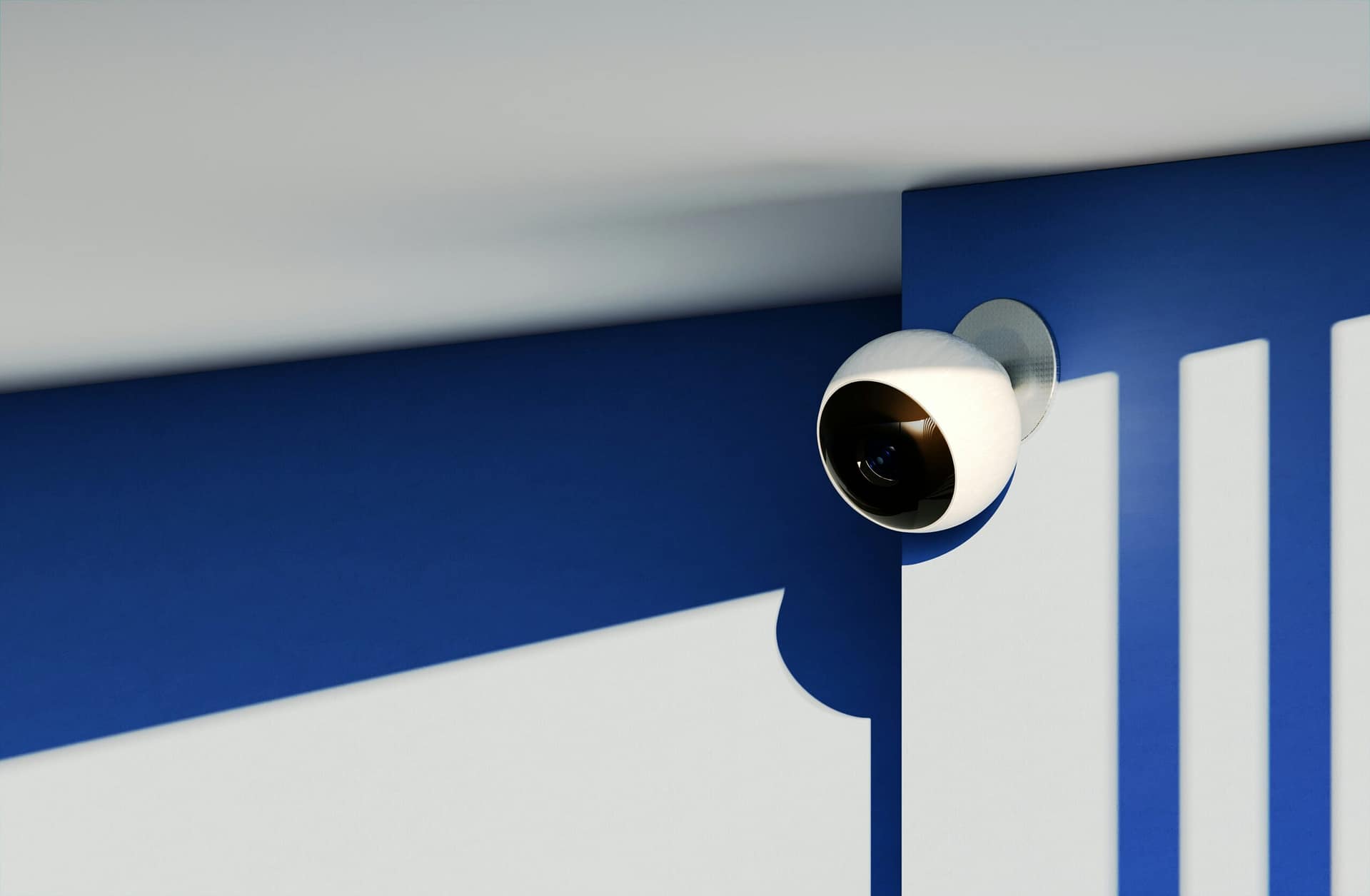
Smart homes sit in a strange position. The devices are easier to justify than they used to be: lower energy use, more visible security, and fewer small tasks scattered through the day. A thermostat adjusts before anyone thinks about it. A camera checks the door. A speaker turns off the lights.
But the exchange is not abstract. These products enter kitchens, bedrooms, hallways, nurseries, and front doors. They listen, record, sense movement, and learn household routines in the one place where people still expect to feel mostly unobserved.
That is why smart home privacy has become one of the category’s hardest limits. The most serious smart home problems are not always broken features. Often, they are moments when convenience starts to feel like a boundary has been crossed.
Why the Home Raises the Stakes
People judge technology differently once it enters the home. Most people know their phone is not exactly private. It moves through work, errands, maps, messages, payments, and shopping. It already belongs partly to the outside world, so another tracking permission may feel irritating rather than shocking. A home is different. This is where the smart home debate connects to the hidden cost of digital convenience, but with higher emotional stakes.
That is why connected devices privacy carries a different weight. These devices sit near morning routines, family conversations, late-night movement, quiet rooms, and doors opening or closing. A phone may track behavior across the day, but smart home devices can make the home itself feel legible.
NIST’s 2025 survey of U.S. smart home users found that security and privacy perceptions vary by device category, with voice assistants viewed as especially problematic [1]. A camera, thermostat, lock, and speaker do not feel like the same kind of risk.
When something goes wrong in that setting, it does not feel like a routine software bug. A camera vulnerability feels closer than a broken app. A voice assistant recording at the wrong moment feels personal.
Where Trust Breaks Down
Consumer confidence usually erodes through accumulation. One unclear permission request may not change much. One outage may be forgiven. One confusing privacy setting may be ignored. Together, these moments make the smart home feel less dependable than it should.
The first break often comes from data collection. A camera may be sold as a home security tool, while its app asks for broad permissions that are hard to connect to the basic feature. A voice assistant may feel useful until users realize how difficult it is to understand what is stored, deleted, or used to improve the service. At that point, smart home trust becomes less about the device and more about the vendor behind it.
In 2025, the UK Information Commissioner’s Office warned makers of smart products, including speakers and connected appliances, against excessive data collection [2]. In a smart home, that data comes from rooms where people live.
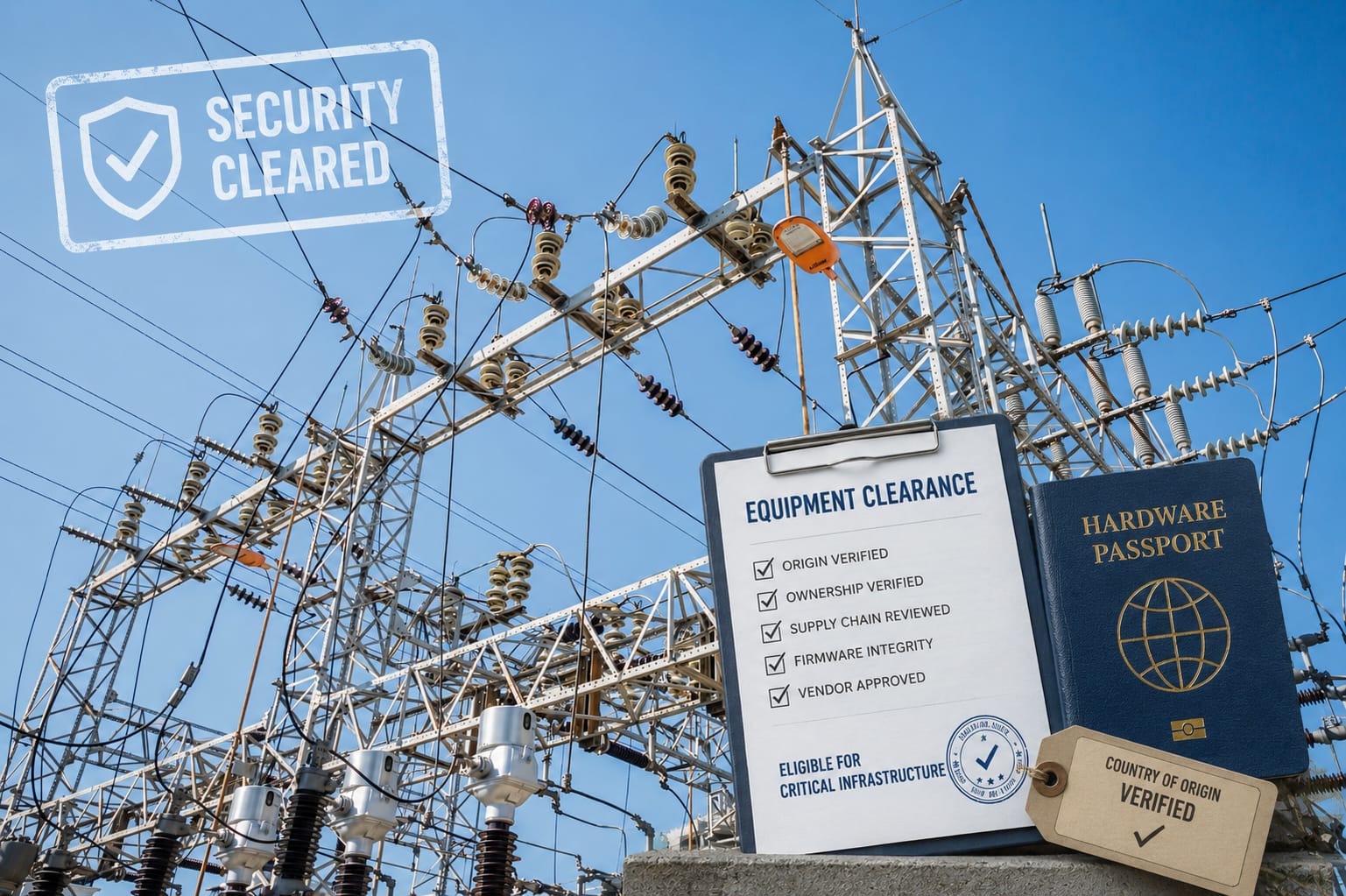
Security practices add another layer. In smart home security, the risk is not always a sophisticated attack. Sometimes it is an old firmware version, a default setting nobody changed, or a vendor dashboard with too much access. In a nursery camera, door lock, or indoor hub, that weakness is already attached to a physical space.
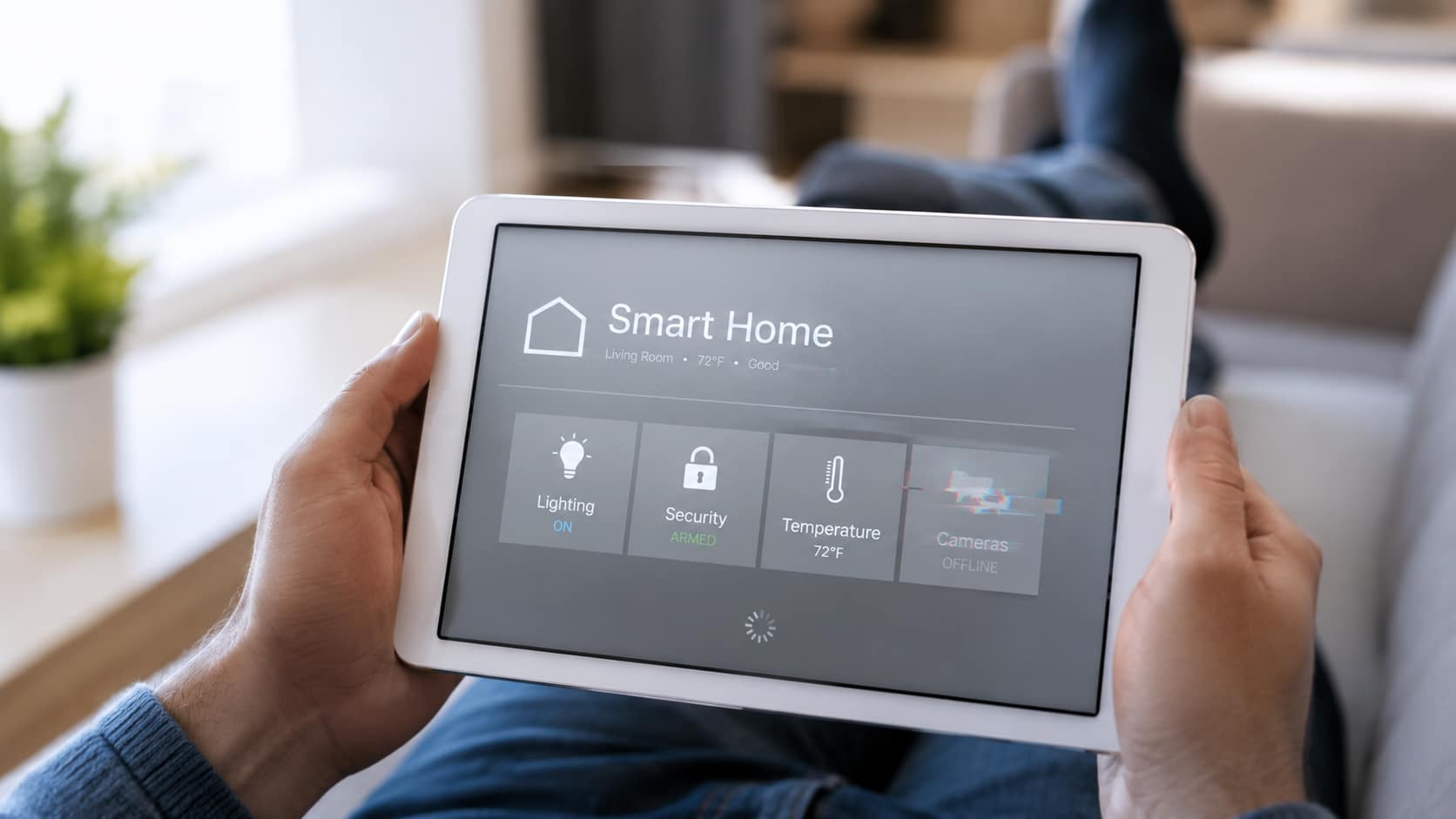
Then there is reliability. Many smart appliances depend on external cloud infrastructure for basic execution. If the vendor’s remote service fails, automated lighting, climate schedules, and entry systems lose the function that made them useful.
The harder problem is support. If a company shuts down, changes strategy, or stops updating a product, working hardware can become limited or useless. That kind of bricking turns an expensive device into a reminder that the customer never fully owned the system.
The Convenience Trade-Off
Automation works best when it removes small, boring decisions. A thermostat lowers the temperature after everyone leaves. Hallway lights turn on before someone reaches the switch. A robot vacuum starts after the morning rush. A washing machine sends a notification before damp clothes sit too long in the drum.
These are useful details. They are also why smart homes keep spreading.
The trust problem starts when automation becomes the only path to control. If a climate setup depends entirely on an app during a heat wave, the user needs a manual override that is obvious. If an entry system hesitates because Wi-Fi is unstable, the physical key or keypad cannot feel like a backup nobody tested. If a lighting routine fails at night, the wall switch still has to work like a wall switch.
People are not asking the home to be less capable. They are asking for clear limits:
Which features run automatically?
Which ones depend entirely on the cloud?
Which settings can be shut off without breaking the hardware?
Convenience works when the user remains in charge. Once that becomes unclear, automation starts to feel less like help and more like permission.
What Companies Need to Prove
Smart home companies do not need to explain the appeal of convenience. Buyers already understand it. What they need is proof that the device will not quietly take more control than it gives back.
Privacy is where many buyers will look first. A camera app should not leave users guessing about what is recorded or where the footage goes. A voice assistant should make saved recordings easy to find, review, and delete. Permissions should read like product information, not a legal document written for someone else.
Local control matters for the same reason. A light should still turn on if the internet drops. A thermostat should still adjust from the wall. A lock should not depend on a distant server to behave like a lock. When basic commands stay inside the home network where possible, the device feels less like rented access to someone else’s system.
Support is the quieter promise. Security updates need to last long enough for the way people actually use home products. Matter and similar standards can help only if users feel the difference during setup, replacement, and daily use. The Connectivity Standards Alliance described Matter 1.4.2 in 2025 as focused on security, certification, infrastructure, and smoother smart home coordination [3]. A mixed-brand home should not behave like separate systems held together by patience.
Conclusion: Practical Borders for Connected Ecosystems
Smart homes will keep expanding. Not because every new device feels revolutionary, but because many of them have become ordinary enough to install without much thought. Automated layers are gradually blending into daily life.
The harder question is whether people trust the system once it becomes part of the house.
Privacy and security cannot sit inside vague promises or long software policies. They have to show up as predictable uptime, transparent data routes, and clear physical overrides. The home is too sensitive a space for trust to remain abstract.
The future of connected living will belong to companies that treat privacy as part of the product’s basic function, not as an extra feature added after the sale.
Sources: