The In-House Premium: GE Aerospace and the Return of Vertical Integration


Editor-in-chief at Vireon Press, covering business and technology through the lens of strategy, efficiency, and real-world consequences.
GE Aerospace is putting a price on the limits of outsourcing. On September 8, the engine maker agreed to acquire Consolidated Precision Products for $11.75 billion, bringing one of its long-standing suppliers of highly engineered castings directly inside the company.[1] The transaction comes as aerospace dealmaking is accelerating around specialized manufacturing assets, with buyers increasingly competing for scarce workers, specialized capabilities and production capacity.[2]
The logic goes beyond securing another supplier. For years, aerospace manufacturers could keep capital-intensive processes outside their own balance sheets while relying on specialist contractors to add capacity as demand grew. That arrangement becomes less effective when the supplier’s production ceiling starts limiting the output of a far more valuable engine program. In that setting, ownership can become an alternative to waiting: capital that once went into purchase agreements is redirected toward controlling the factories, equipment and process improvements behind the component itself.
The Strategic Asset of Castings
CPP shows why certain manufacturing processes are becoming harder to treat as interchangeable supplier capacity. The company produces highly engineered airfoils and structural castings used across commercial and defense engines, and GE expects its own airfoil demand to grow by more than 30% by 2030.[3] These parts sit inside a production process that is difficult to expand quickly: output depends not only on equipment, but on casting expertise, process stability and the ability to maintain yield at demanding specifications.
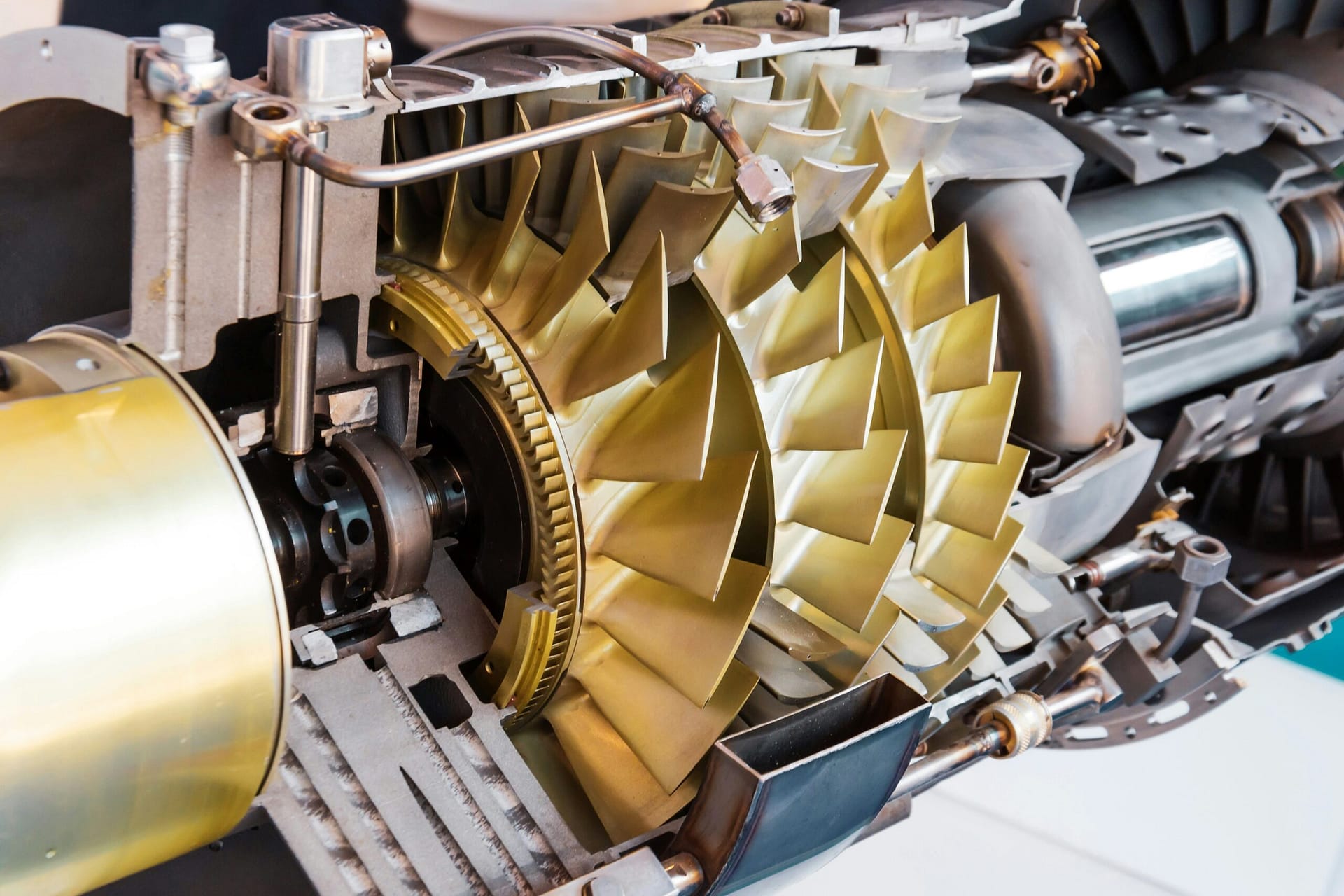
That makes the casting stage disproportionately important to the economics of the engine program around it. A shortage in one relatively small part of the production chain can constrain the output of an engine worth far more than the component itself. GE focuses on using closer integration between design and manufacturing to accelerate new airfoil technologies.[3] The strategic value of the asset therefore comes from its position inside the production process: it influences both how quickly engine output can expand and how reliably new designs can move into volume.
The Shortage of Qualified Capacity
The economics of outsourcing change when supplier capacity becomes the primary constraint on OEM growth. Independent suppliers remain attractive when they can add equipment, labor and output alongside rising demand. The problem begins when specialized manufacturing capacity cannot expand at the same pace. Across aerospace, buyers are increasingly competing for suppliers with scarce workers and specialized manufacturing capabilities.[2]
For a large engine manufacturer, that creates a timing problem as much as a capacity problem. An OEM can place larger orders, but it does not control how quickly an independent supplier invests in machinery, improves yield or adds qualified workers. GE’s plan for CPP is revealing: the company expects to lift output through higher machine utilization, better yield and lower scrap and rework.[3] Those are operational improvements that take time to execute but can directly affect the number of components available to engine programs.
The cost of outsourcing therefore starts to include the cost of waiting. When production growth depends on a small pool of qualified capacity, expanding through purchase orders alone may no longer be fast enough.
Re-Engineering the Corporate Balance Sheet
GE is paying a substantial price to bring that capacity inside. The $11.75 billion deal values CPP at roughly 26 times expected 2027 EBITDA before synergies and about 18 times after them.[3] That premium suggests specialized manufacturing assets are being valued not only for their standalone earnings, but for the production they can unlock elsewhere in the business.
The implication reaches beyond aerospace. Across capital-intensive industries, scarce industrial inputs are becoming strategic assets when qualified capacity cannot be reproduced quickly. The old preference for keeping factories and process risk outside the corporate balance sheet is therefore becoming more selective.
Vertical integration is unlikely to replace outsourcing wholesale. But the boundary is moving. Companies may increasingly own the manufacturing steps that determine output, product development and investment timing, while continuing to outsource processes that remain easier to scale. GE’s CPP deal shows what that change can look like in capital terms: paying more upfront for direct control over a production capability that has become difficult to substitute.
Sources:
[1] GE Aerospace — GE Aerospace to Acquire Consolidated Precision Products (CPP), Expanding Mission-Critical Castings Capacity
[2] Reuters — Aerospace dealmaking gathers pace as jet production ramps up
[3] U.S. Securities and Exchange Commission / GE Aerospace — GE Aerospace to Acquire Consolidated Precision Products (CPP) — Investor Presentation, September 8, 2026
Editor-in-chief at Vireon Press, covering business and technology through the lens of strategy, efficiency, and real-world consequences.

The Schneider PTC Deal and the New Industrial Business Model


How Brands Can Sell Value Without Sounding Expensive
Shein’s $26B Reality Check: Why Fast Logistics Is Getting Expensive

The Warehouse Correction: America’s Logistics Boom Meets Real Demand

The Water Constraint: Europe’s New Corporate Map
Advertisement