Friday, October 9, 2026

Discover the extraordinary

Advertisement

#business news

Show an elegant high-end leather handbag on one side of a table and a small premium beauty product such as lipstick or fragrance on the other. A wallet or payment card sits between them, while a human hand naturally reaches toward the beauty product.
L’Oréal’s rise above LVMH shows how smaller, repeatable premium purchases are changing the economics of discretionary spending and investor valuations.
GE Aerospace’s $11.75 billion CPP acquisition shows why aerospace manufacturers are bringing critical casting capacity back in-house as supplier constraints reshape capital allocation.
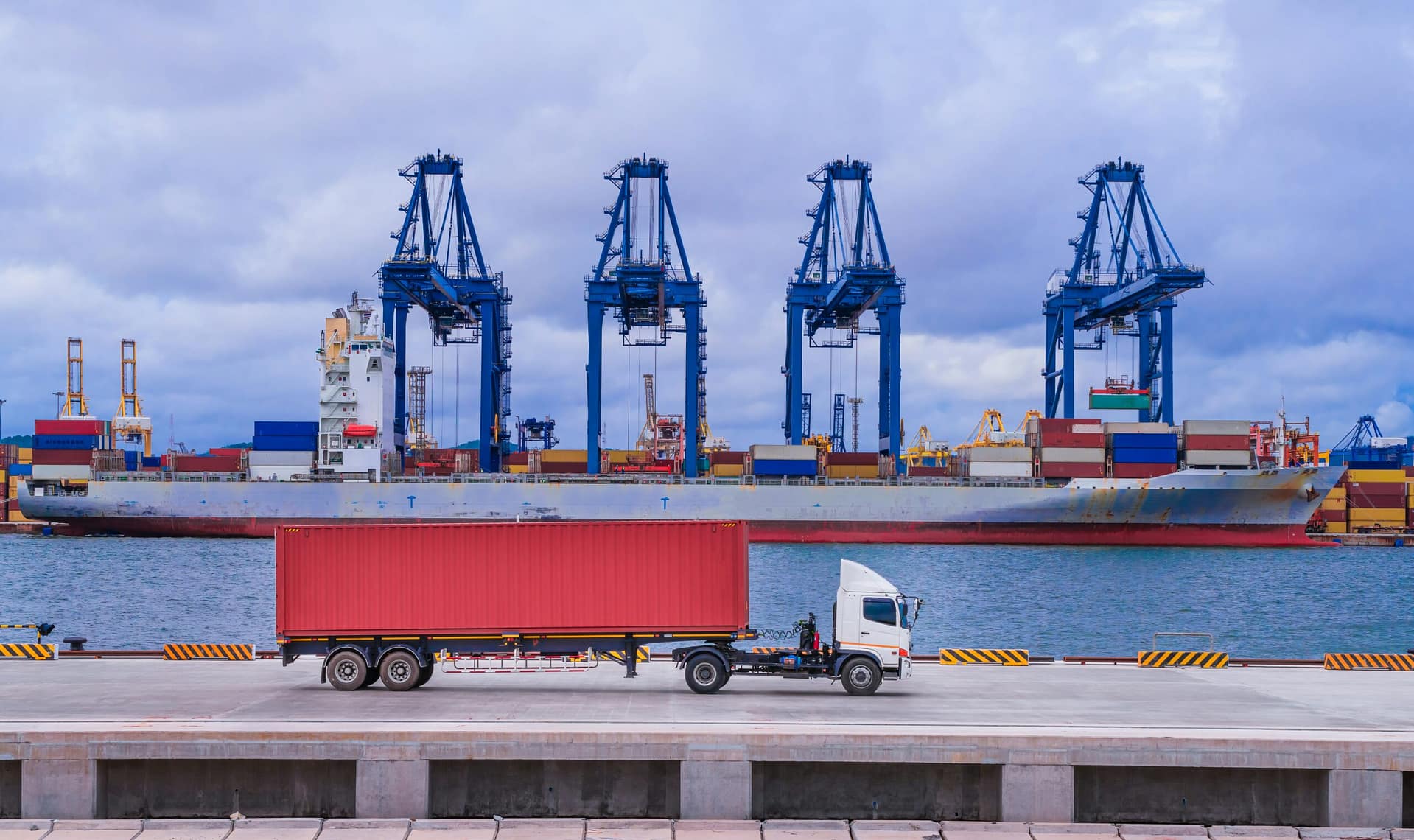
Shein’s $26.5 billion valuation reveals how tariffs, air freight costs and local infrastructure are making ultra-cheap global e-commerce more expensive.
America’s warehouse boom is entering a new phase as logistics demand shifts toward modern facilities, forcing developers to rethink expansion and investment.
Water scarcity is becoming more than an environmental challenge. As river levels fall and industrial logistics come under pressure, manufacturers are beginning to treat water as a strategic input that influences costs, factory locations and long-term investment decisions across Europe.

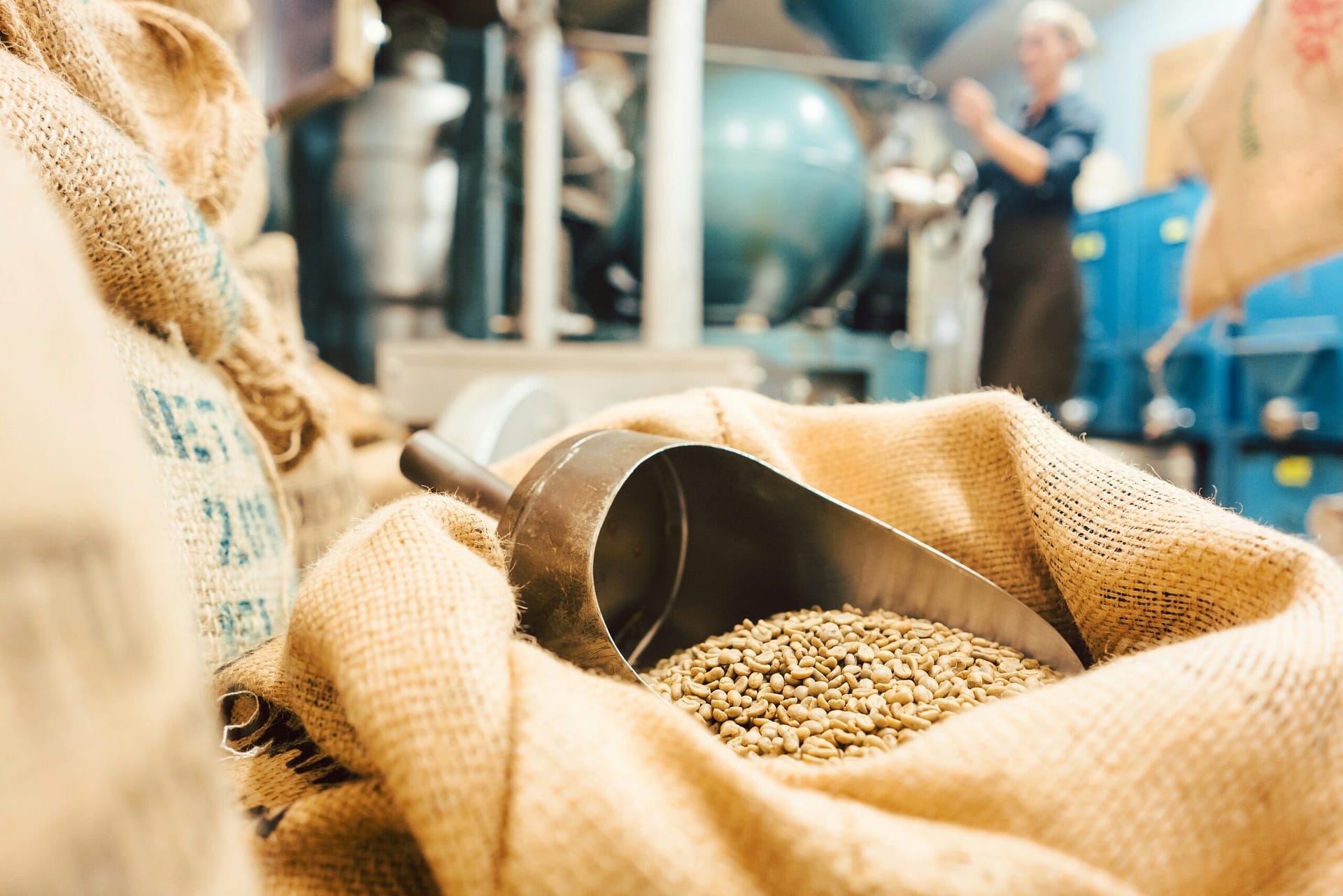
Coffee price volatility is reshaping how global brands manage sourcing, contracts, inventories and pricing as supply concentration turns commodity risk into a broader supply-chain challenge.
Rising copper prices are reshaping project economics across AI, power grids and electrification, forcing companies to rethink timing, capital allocation and access to critical materials.
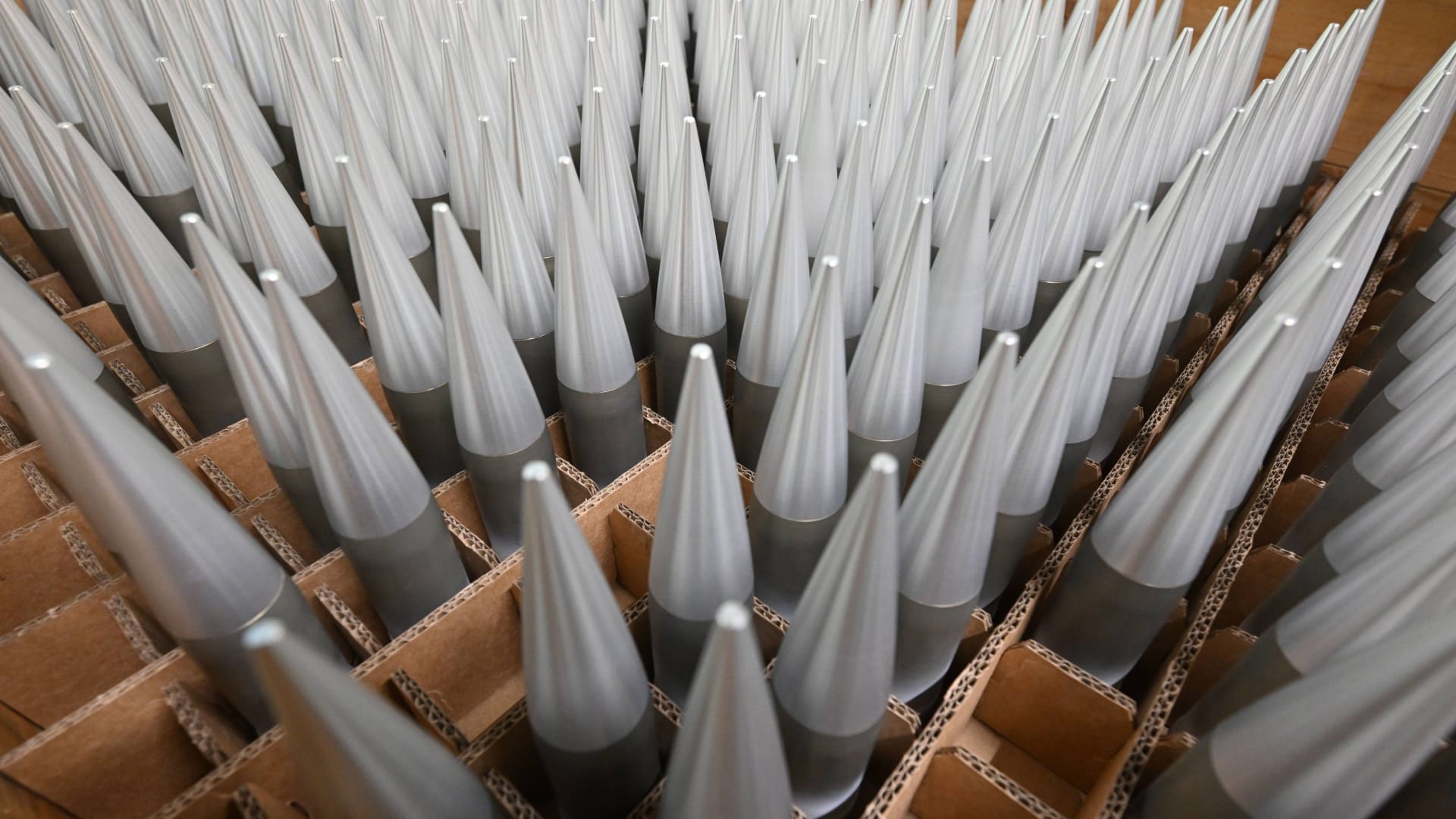
Europe’s rising defense budgets are reshaping industrial policy, supply chains and manufacturing investment. Here’s why military spending is becoming a long-term driver of industrial growth.
heavy dollar
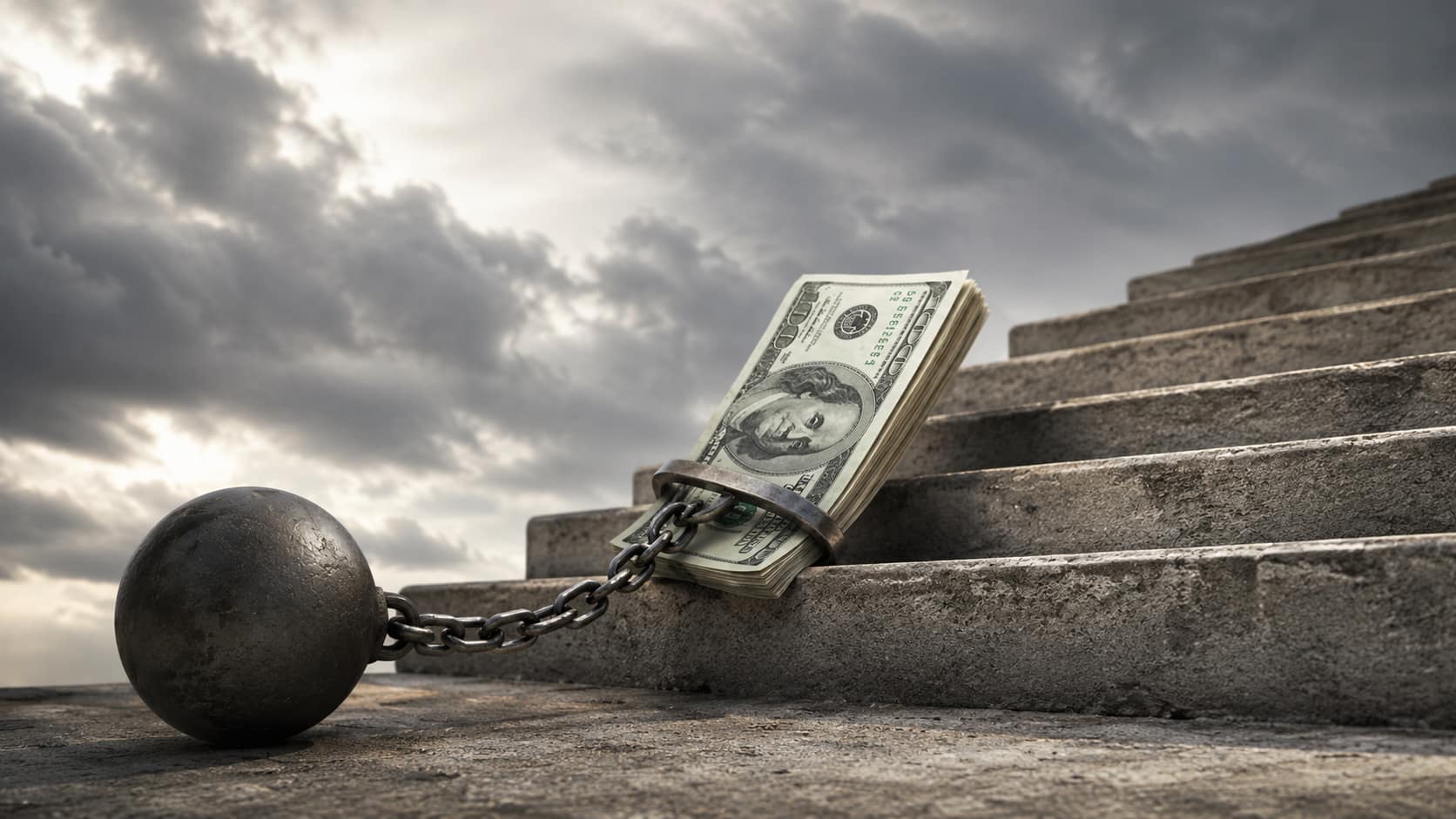
Higher borrowing costs are reshaping M&A, capex and refinancing. As cheap debt disappears, companies are prioritizing liquidity, discipline and stronger returns.
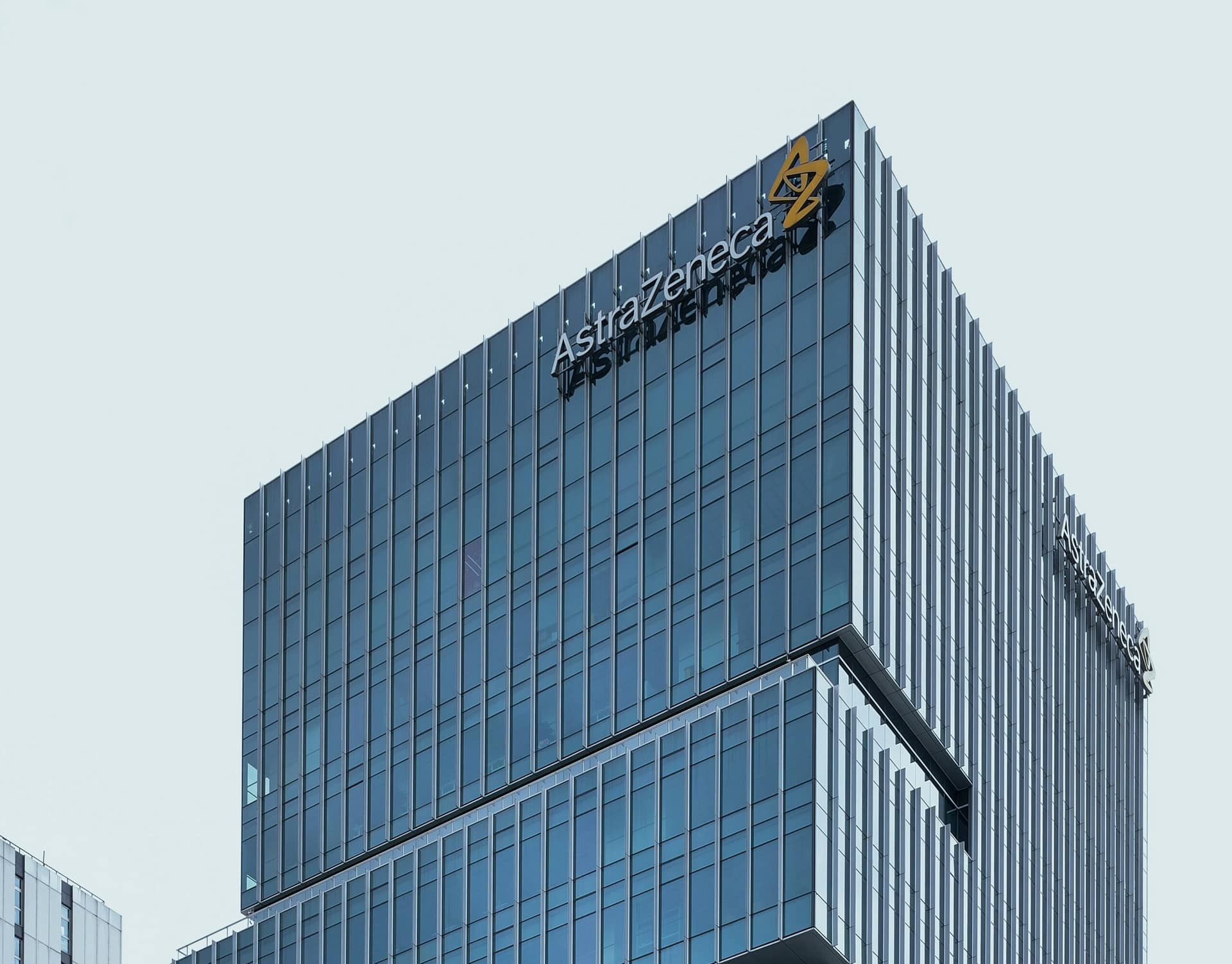
A potential $400 billion AstraZeneca-Bristol Myers merger shows why patent cliffs, uneven R&D returns and oncology competition are reviving pharma megadeals.