Europe’s Defense Outlays Turn Into Industrial Policy

VireonPress Editorial is the publication’s collective voice. We cover business, technology, culture, and beauty with a focus on trends, systems, and the ideas quietly shaping everyday life.
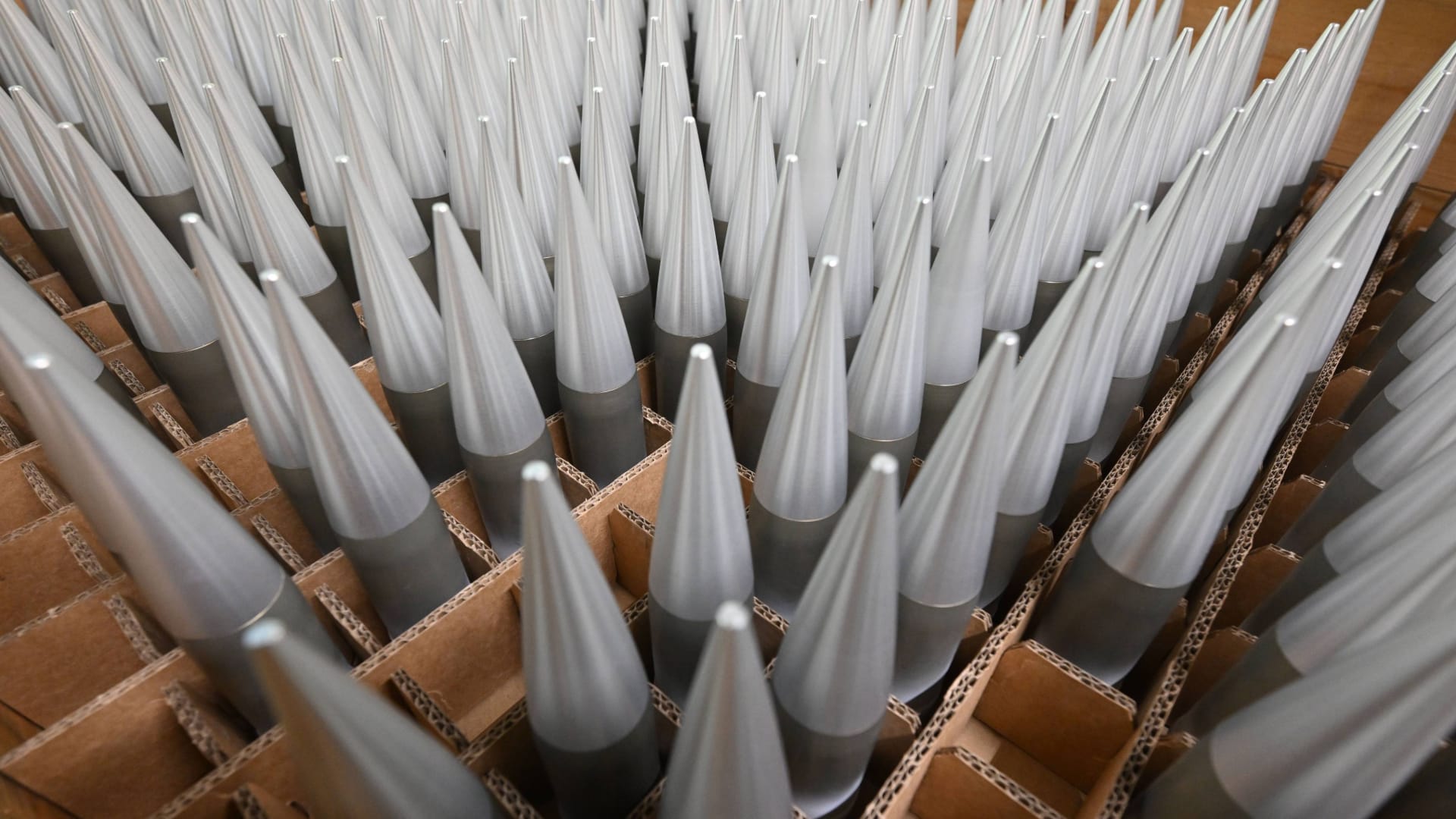
Europe’s defense spending is starting to act less like a security expense and more like a planning signal for industry. The European Commission is using programmes such as SAFE and EDIP to move procurement beyond emergency response and into a longer investment cycle [1].
The scale makes that shift hard to dismiss. The European Defence Agency expects member-state defense spending to reach €454 billion in 2026, up 9% in real terms from 2025, with investment accounting for roughly 36% of the total [2].
For manufacturers, the important change is visibility. Multi-year public contracts make it easier to commit to new machinery, capacity and hiring because future demand is less uncertain. Defense budgets are therefore doing something civilian markets often struggle to provide: giving companies enough confidence to build ahead of orders rather than react to them.
The Winning Sectors: Beyond Munitions
The most interesting beneficiaries may sit several layers below the prime contractors. Modern defense production depends on specialty metals, explosives chemistry, precision components, optics, electronics and industrial machinery. These are the parts of the chain where capacity is harder to replace and certification takes time.
That changes where pricing power sits. A shortage of qualified suppliers or specialist inputs can delay an entire programme even when government funding is available. The European Commission’s EDIP framework reflects that problem by focusing on production readiness, supply security and the ability to scale critical industrial inputs [3].
For investors and industrial groups, the implication is practical. The biggest upside may not go to the company assembling the final system, but to the supplier controlling a scarce input that every contractor needs. In a procurement boom, bottlenecks become strategic assets.
Supply Chain Sovereignization and Capital Inflow
The next change happens inside the supplier network. Europe is no longer treating the cheapest available component as the obvious sourcing choice. Under SAFE, no more than 35% of component costs in eligible projects can originate outside the EU, EEA-EFTA or Ukraine, while EDIP adds its own EU-content requirements [1]. Security of supply is becoming part of the commercial specification, not a separate policy objective.
That shifts the economics of procurement. Suppliers now have value not only because they are competitive on price, but because they are local enough, certifiable enough and replaceable enough to survive a disruption. Capital follows that logic. New investment is more likely to move toward regional component makers, strategic materials and production capacity that can be verified and controlled inside the European system.
The same pressure is already visible across global manufacturing, where the lowest-cost supply chain is no longer the most resilient one. In European defense, that logic moves one step further: resilience is being written directly into procurement rules.
The Scale Paradox: Productivity vs. Bureaucracy
Europe is using defense spending to rebuild capabilities that market forces alone have struggled to sustain. For years, industrial policy largely relied on regulation, climate incentives and competition policy. Defense procurement adds something those tools could not: guaranteed demand over many years, giving manufacturers confidence to invest in capacity that might otherwise never be built.
That changes the relationship between governments and industry. Public contracts are no longer supporting production after it exists. They are increasingly determining which capabilities are developed in the first place. The boundary between security policy and economic strategy is becoming harder to separate.
Whether that strategy succeeds will depend on what happens after new capacity comes online. If sustained demand helps companies improve productivity, strengthen supply chains and compete beyond defense markets, Europe will have rebuilt part of its industrial base. If production remains dependent on public orders, the continent risks creating larger factories without creating more competitive industries.
The next phase of European rearmament will therefore be measured not only by how much is spent, but by whether defense procurement can yield industrial strength that outlives the contracts themselves.
Sources:
VireonPress Editorial is the publication’s collective voice. We cover business, technology, culture, and beauty with a focus on trends, systems, and the ideas quietly shaping everyday life.

The Schneider PTC Deal and the New Industrial Business Model


The In-House Premium: GE Aerospace and the Return of Vertical Integration

How Brands Can Sell Value Without Sounding Expensive
Shein’s $26B Reality Check: Why Fast Logistics Is Getting Expensive

The Warehouse Correction: America’s Logistics Boom Meets Real Demand
Advertisement