The Screen-Free Bedroom: Reclaiming the Last Border

VireonPress Editorial is the publication’s collective voice. We cover business, technology, culture, and beauty with a focus on trends, systems, and the ideas quietly shaping everyday life.
When you get into bed, there is usually one last reason to pick up your phone. You check something quickly, put it down, then reach for it again a few minutes later without really deciding to.
For years, the phone on the nightstand felt completely normal. It went to bed with you and was usually there waiting in the morning.
Now some people are leaving it outside the bedroom.
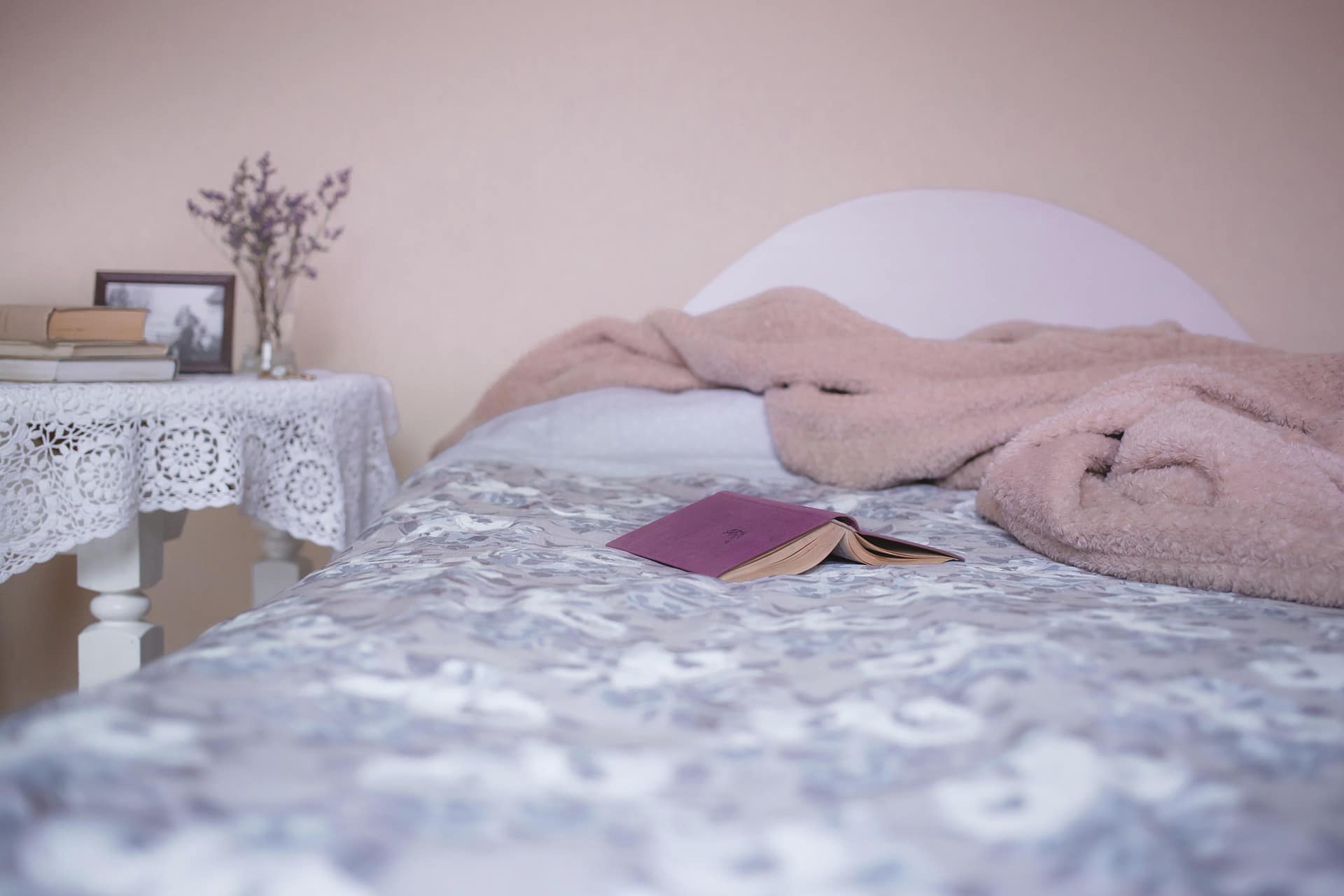
That changes a surprisingly ordinary part of the room. A small alarm clock appears where the phone used to charge. A paperback stays beside the bed because there is suddenly time to read a few pages. And when you turn the light off, there is nothing glowing within arm’s reach.
The idea is simple. Instead of spending the last part of the evening trying not to look at your phone, you remove the choice altogether.
The bedroom gets a boundary again.
Bedroom as an Extension of the Office
The phone had a very practical reason to end up beside the bed in the first place: it replaced the alarm clock.
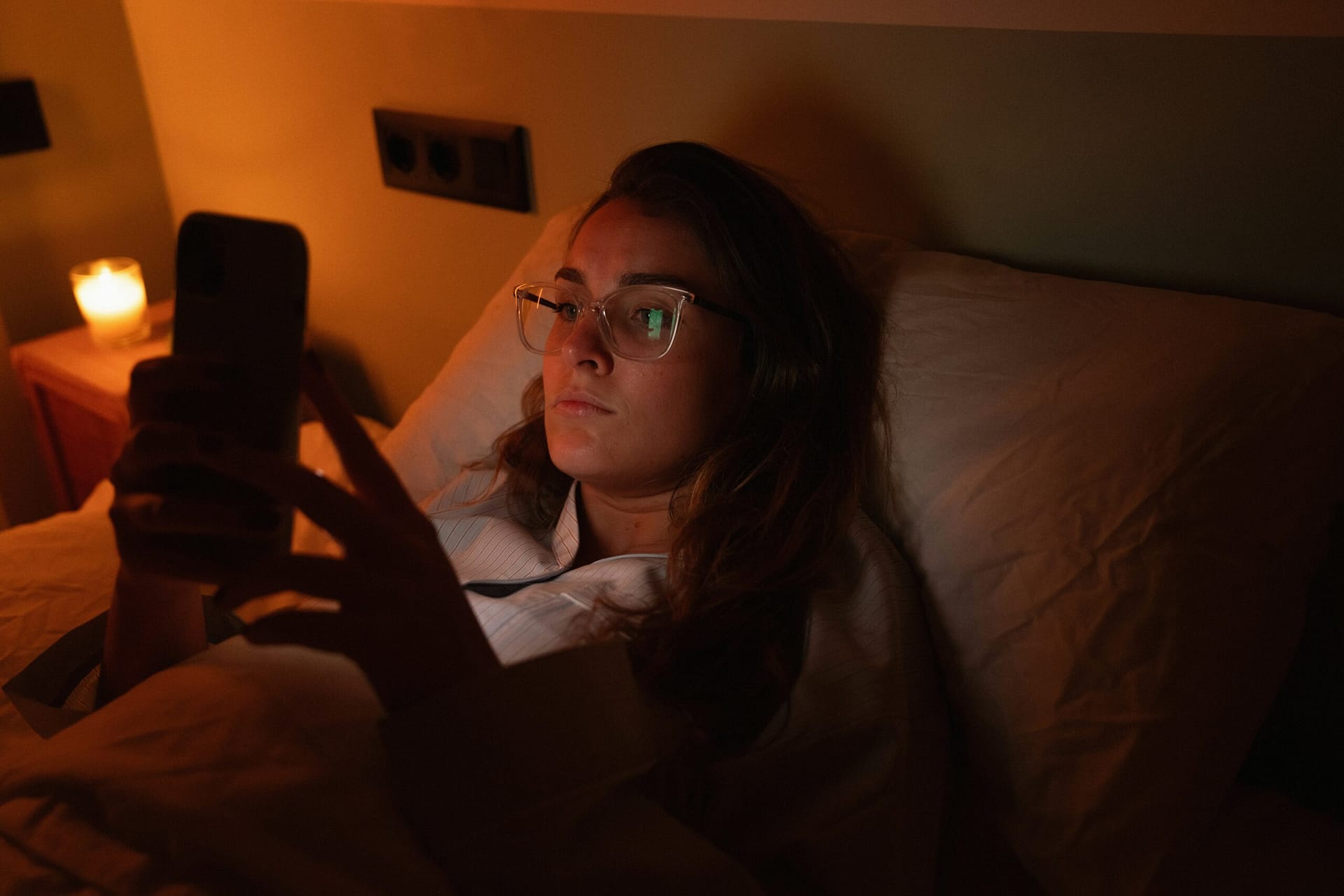
From there, checking one work message before sleep stopped feeling unusual, and answering something early in the morning became just as easy.
By now, this has become the default rather than the exception. National Sleep Foundation research published in 2026 found that 89.9% of U.S. adults used electronic devices within an hour before bed, while 76.5% used technology in the bedroom [1].
You can already be under the covers and still not feel finished with the day. One message is enough to pull your attention back to something you thought you had left for tomorrow.
The room may be quiet, but the day has not necessarily ended with it.
The Return of the Ticking Clock
Once you leave your phone outside the bedroom, one small problem appears almost immediately: what wakes you up in the morning?

That is where the old alarm clock suddenly starts making sense again.
It fits into a wider return to analogue things, but in the bedroom the reason is especially practical. You are not buying a clock because you miss the past. You are buying it because you need the alarm without bringing everything else back onto the nightstand with it.
That separation matters. A 2025 Norwegian study of more than 45,000 young adults found that each additional hour of screen use in bed was associated with 24 minutes less sleep and 59% higher odds of reporting insomnia symptoms [2].
An alarm clock removes one of the easiest excuses for keeping the phone beside you. If you wake at 3:17 and want to know the time, you can check it without opening the device that also holds the rest of your day.
The appeal is almost boring, which is exactly why it works. The clock wakes you up. Then it leaves you alone.
The Fiction Buffer: Replacing the Feed
The alarm clock solves the practical part. It wakes you up without bringing the phone back into the room.
What it does not solve is the half-hour before sleep.
That time used to disappear almost automatically into the screen. Once the phone is gone, you notice it again, and that is where a paperback starts to make sense for a different reason.

The useful book is not necessarily the serious one you have been meaning to finish for months. Bedtime is a bad place for homework disguised as self-improvement. Something you actually want to return to works better.
There may be a sleep benefit too. In a randomized trial involving 991 people, 42% of those who read a book in bed for a week reported improved sleep, compared with 28% in the group that did not [3].
But fiction also changes what those last minutes feel like. You stay inside one story instead of repeatedly deciding what to open next, and there is a natural point where you can stop.
The page will still be there tomorrow.
The Last Room Left Offline
The strange thing about the modern bedroom is that very little has changed inside it. The bed is still there. So are the lamp, the curtains and the pile of clothes that somehow never quite makes it back into the wardrobe.
What changed is what the room allows you to do.
Once a phone comes to bed with you, lying under the covers no longer means you have really left the rest of the day behind. Work can continue, or some minor problem can suddenly become worth solving at 11:40 p.m. The room has stayed the same while almost everything outside it has become reachable. It is the same question that is starting to appear across the connected home: how much of the outside world do you actually want to bring into your private space?
That may be why removing one device can make it feel different so quickly. It is not really the alarm clock or the paperback doing the work. The important part is that certain things now require you to leave the room again.
There is something interesting in that beyond better sleep.
For years, convenience meant making every part of life available everywhere. Now some of that convenience is beginning to feel less useful. A little inconvenience can create a boundary that an app setting never quite manages to hold.
You can still check the message or look something up. You just have to get out of bed first.
And perhaps that is what the screen-free bedroom is really bringing back — the idea that where you are should still make a difference.
Sources:
VireonPress Editorial is the publication’s collective voice. We cover business, technology, culture, and beauty with a focus on trends, systems, and the ideas quietly shaping everyday life.

Table for Two: How Dog-Friendly Cafés Changed Everyday City Life

Why Reading in Public Feels Cool Again

The Saturday Stroll: How Walking Clubs Became the New Night Out
Advertisement