The Saturday Stroll: How Walking Clubs Became the New Night Out

VireonPress Editorial is the publication’s collective voice. We cover business, technology, culture, and beauty with a focus on trends, systems, and the ideas quietly shaping everyday life.
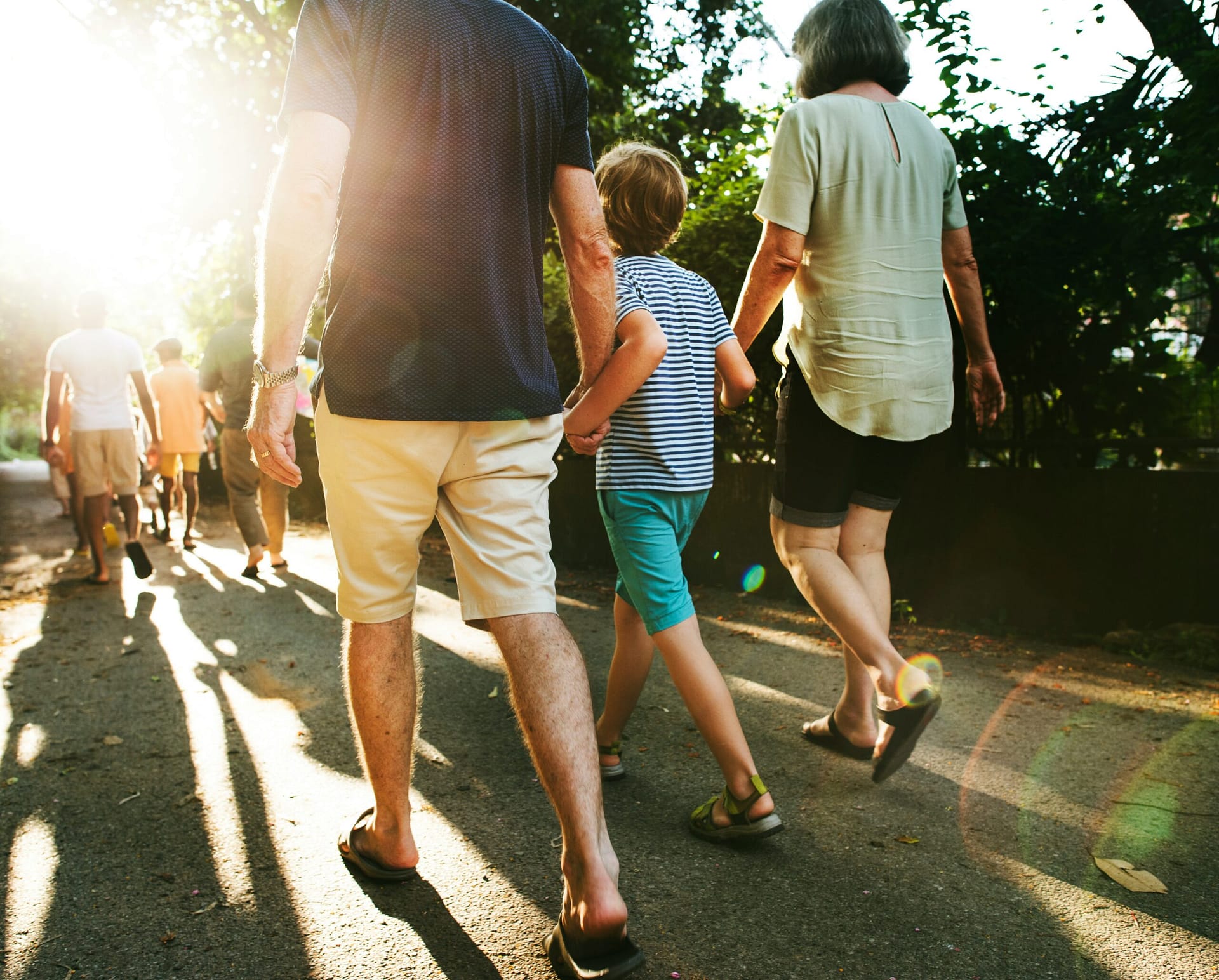
The night out isn’t dead, but it’s no longer the automatic weekend plan. For plenty of younger people, a walking club now fills the same space without the loud music, overpriced drinks, or losing most of Sunday to recovery.
The shift isn’t exactly mysterious. Social plans have become expensive, overbooked, and weirdly effortful. A group walk feels lighter. You turn up, follow the route, and see who you end up talking to.
That’s helped walking groups move beyond fitness. They now sit somewhere between a social plan, a weekly ritual, and a place to meet people without making the whole thing feel like an event.
The walking itself is almost beside the point. What matters is having somewhere to go that doesn’t need much planning or require a polished version of your life. That may explain why Gen Z walking groups fit the current social mood so easily.
When the Usual Places Stop Feeling Social
There are more ways to meet people than ever, but most now come with a script.
Dating Apps Started to Feel Like Admin
The early fun of swiping has turned into maintenance. Profiles blur together, opening lines repeat, and chats sit unanswered until replying feels overdue.
That’s where dating app fatigue sets in. You can end up carrying several almost-conversations in your pocket, keeping them alive, and waiting to see whether any will make it into real life.
Even Coffee Got Weirdly Formal
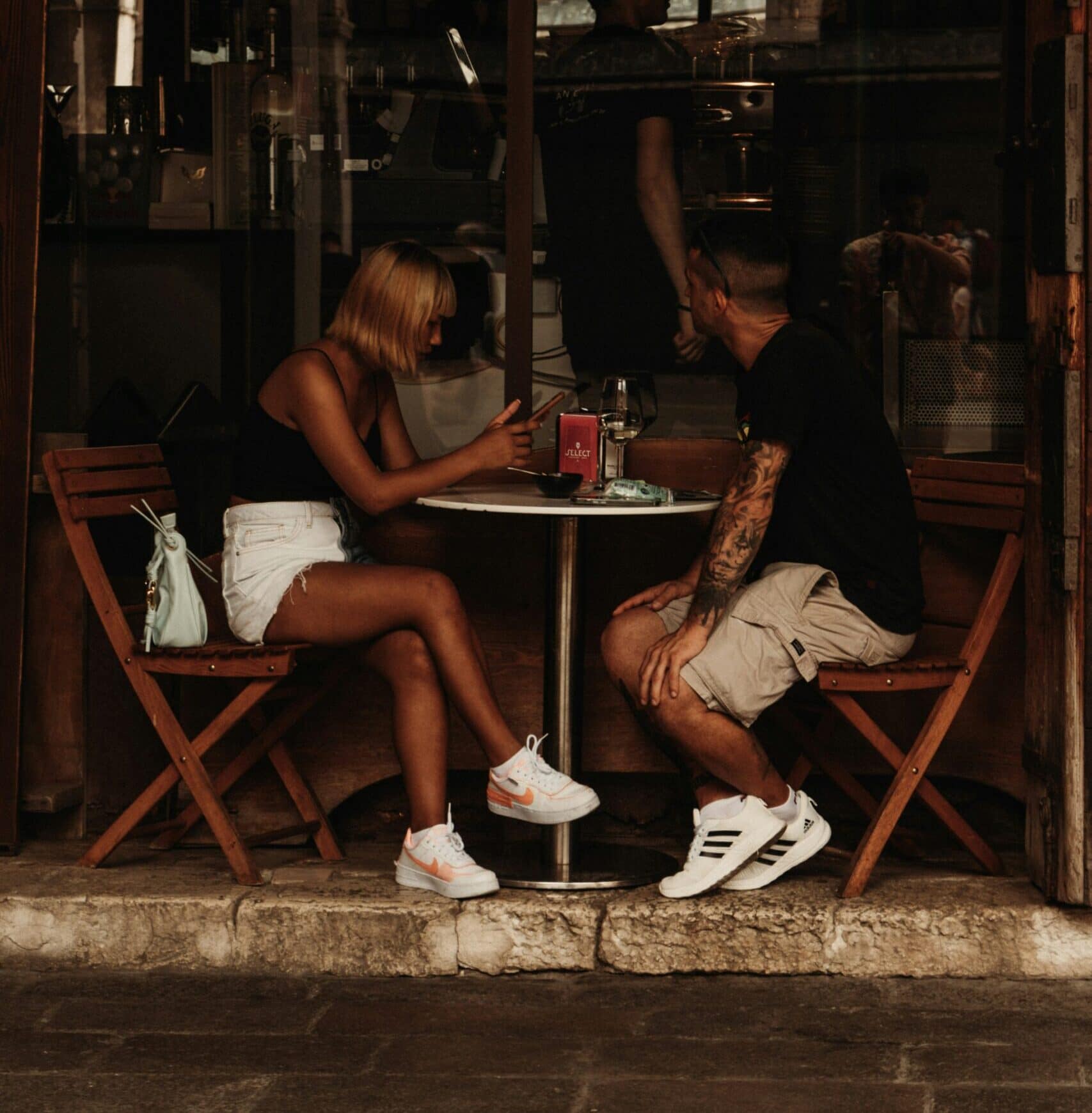
Coffee is the safe choice for almost every new connection, which may be why it now feels so exposed. You sit opposite someone with one drink between you, while the conversation has to do all the work.
Ordinary questions start sounding like interview prompts, and every pause feels more noticeable than it should.
The Third Space Went Missing
What’s harder to find is somewhere familiarity can build without arranging a one-to-one meeting first. Traditional third spaces let you see the same faces, drift into conversations, and get to know people gradually.
That feels more valuable now, when so much digital intimacy is built around people who know nothing about you.
A community walking group brings back that loose rhythm. You return, strangers start looking familiar, and connections develop across several weekends rather than needing to prove themselves in one sitting.
A Social Plan That Asks for Very Little
A walking club doesn’t require much preparation. There’s no table to book, no dress code to decode, and no need to decide how social you feel in advance.
Nobody Expects a Better Version of You
Most people arrive in old fleeces, running tights, baseball caps, and trainers chosen because they won’t hurt after mile three. The clothes are practical, which removes one more thing to get right.
You can show up half-awake, hold onto your coffee, and ease into the morning without looking polished or especially outgoing.
Conversation Can Come and Go
That’s where soft socializing starts to make sense. It also helps explain why walking clubs have become part of the wider social fitness trend in 2026.
You might talk until the route narrows, fall quiet for a while, then pick the conversation up with someone else. The walk keeps moving, so you don’t have to rescue every pause.
You Belong Before You Know Anyone
Everyone starts from the same point and follows the same route, which gives you a place in the group before introductions really begin.
By the time names are exchanged, you’re no longer the person who arrived alone. You’re simply one of the people walking.
Why Conversation Feels Easier on Foot
Most new conversations now arrive with a little too much intention attached. A date should lead somewhere. A coffee is meant to reveal whether you click. Even a casual introduction can start feeling like networking before anyone has finished saying what they do.
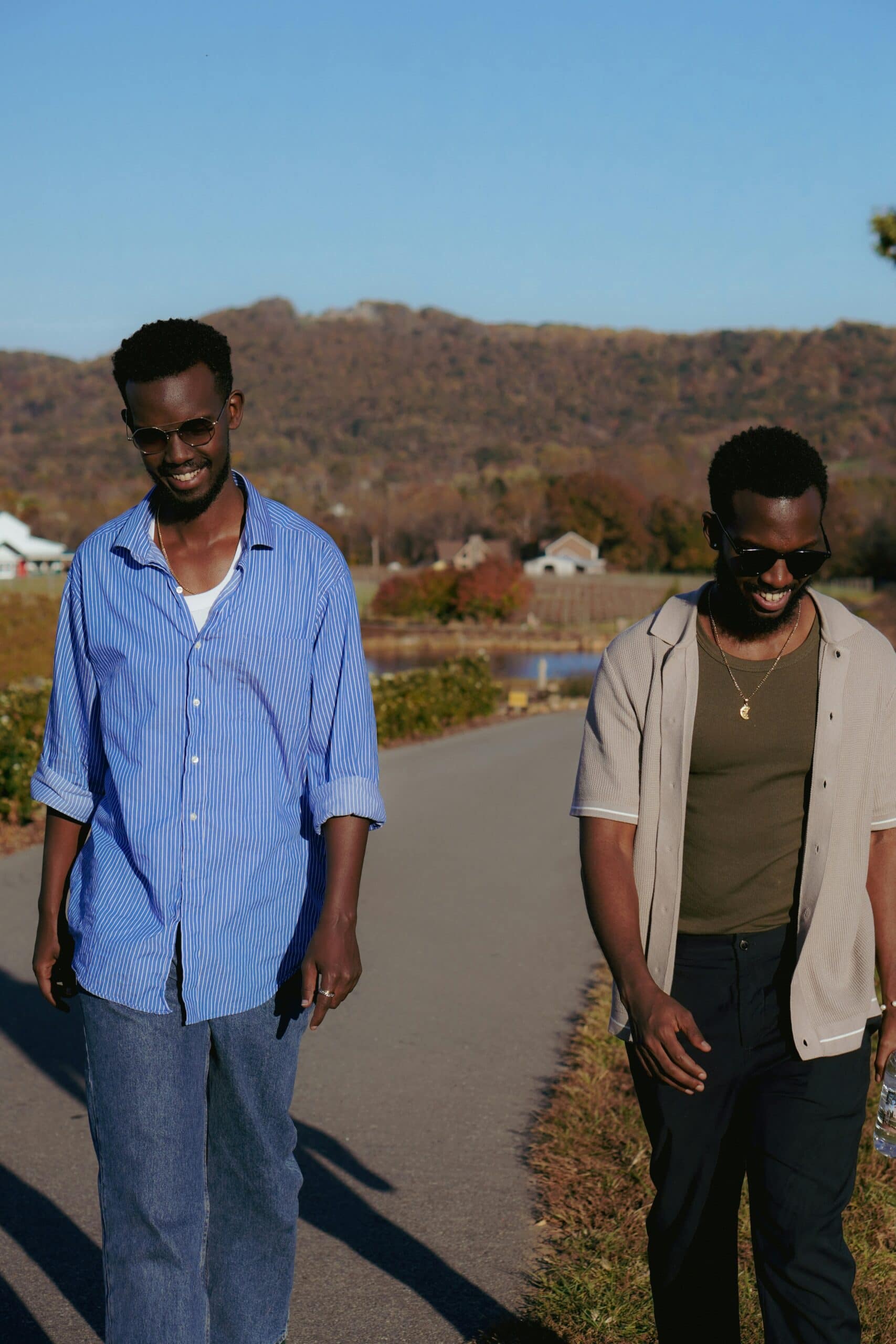
A walking club loosens that up. You might spend ten minutes talking to one person and then find yourself beside someone else after a crossing or a narrow stretch of path. Nobody has to announce that the conversation is over. It simply moves on.
Walking side by side helps too. There’s less eye contact to manage, more to notice around you, and no need to fill every second. Research published in Acta Psychologica found that walking together improved first impressions between strangers, while conversation strengthened the effect [1].
The route also gives the meeting a natural end. You know roughly how long the walk will last and where it finishes, so there’s no awkward calculation about when it’s time to leave.
That may be why the whole thing feels so easy. A low-pressure connection has more room to develop when you’re not trying to decide what it means too quickly.
How to Find a Walking Club That Feels Like Yours
Most walking clubs look fairly similar online. The real differences are usually in the route, the pace, and what happens after.
A slow loop through a city park creates a different mood from a six-mile trail with hills. The same goes for group size. Bigger walks make it easier to blend in, while smaller ones are better for seeing the same faces again.
If you’re searching how to find a walking club near me, Strava, Meetup, Instagram, and a local walking club app are the obvious places to start. Recent posts are more useful than the bio. They show whether people come alone, whether dogs are welcome, and if the group is still active.
The ending says plenty too. If everyone disappears as soon as the route is over, the club may be more about the walk itself. If half the group stays for coffee, the social part probably matters just as much.
What the Saturday Morning Is Replacing

Walking clubs replace the kind of social life that has to be organised from scratch every time. You know where to go, when it starts, and that there’ll be people there.
That regularity gives people something many other social plans don’t. Familiar faces appear, conversations continue from the week before, and showing up starts to feel normal rather than brave.
The walk itself is only part of it. What people get is movement, company, and a place in the week that doesn’t need a big commitment.
That may be what was missing all along: something between close friendship and complete anonymity. A group you can keep returning to until the strangers beside you stop feeling like strangers.
Sources:
VireonPress Editorial is the publication’s collective voice. We cover business, technology, culture, and beauty with a focus on trends, systems, and the ideas quietly shaping everyday life.

The Screen-Free Bedroom: Reclaiming the Last Border

Table for Two: How Dog-Friendly Cafés Changed Everyday City Life

Why Reading in Public Feels Cool Again
Advertisement