Why Reading in Public Feels Cool Again
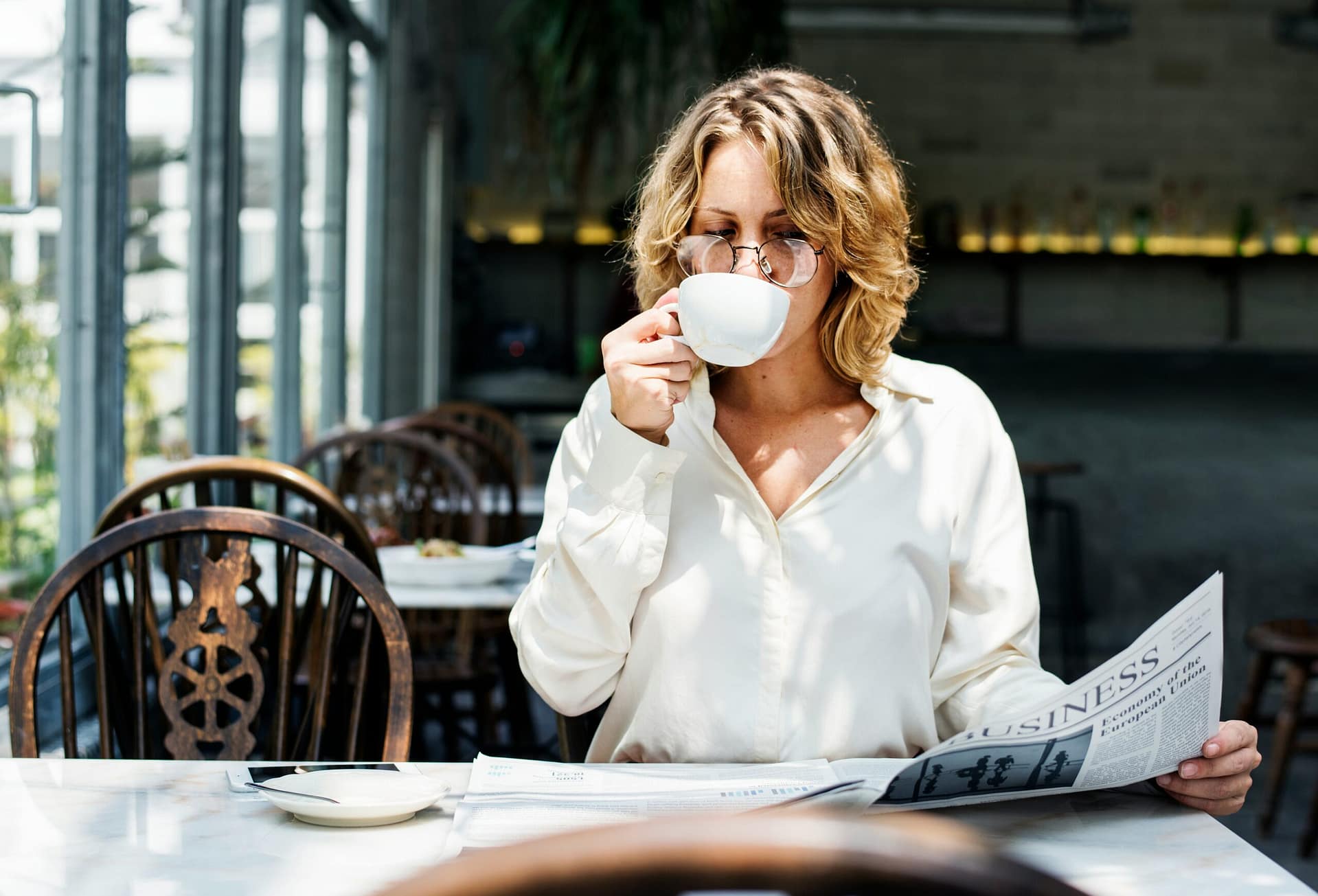

VireonPress Editorial is the publication’s collective voice. We cover business, technology, culture, and beauty with a focus on trends, systems, and the ideas quietly shaping everyday life.
Spend ten minutes in a café or on a morning train and the pattern is easy to spot. Most people are looking at a screen. Lately, though, physical books have started showing up in those same pauses again.
You notice them while someone waits for a friend, rides a few stops, or sits with a coffee that arrived before the person they’re meeting. Not long ago, those minutes almost automatically went to scrolling. Pulling out a book could feel slightly self-conscious, as if you were trying to make a point.
Now it reads differently. Opening a paperback in public doesn’t look old-fashioned. It looks like you’ve decided what deserves your attention.
This isn’t really about rejecting technology. It’s about getting tired of the reflex. You sit down, reach for your phone, and only then wonder what you opened it for. Reading in public breaks that loop. It gives the spare minutes somewhere to go without taking you out of the room.
The Book as a Visible Boundary
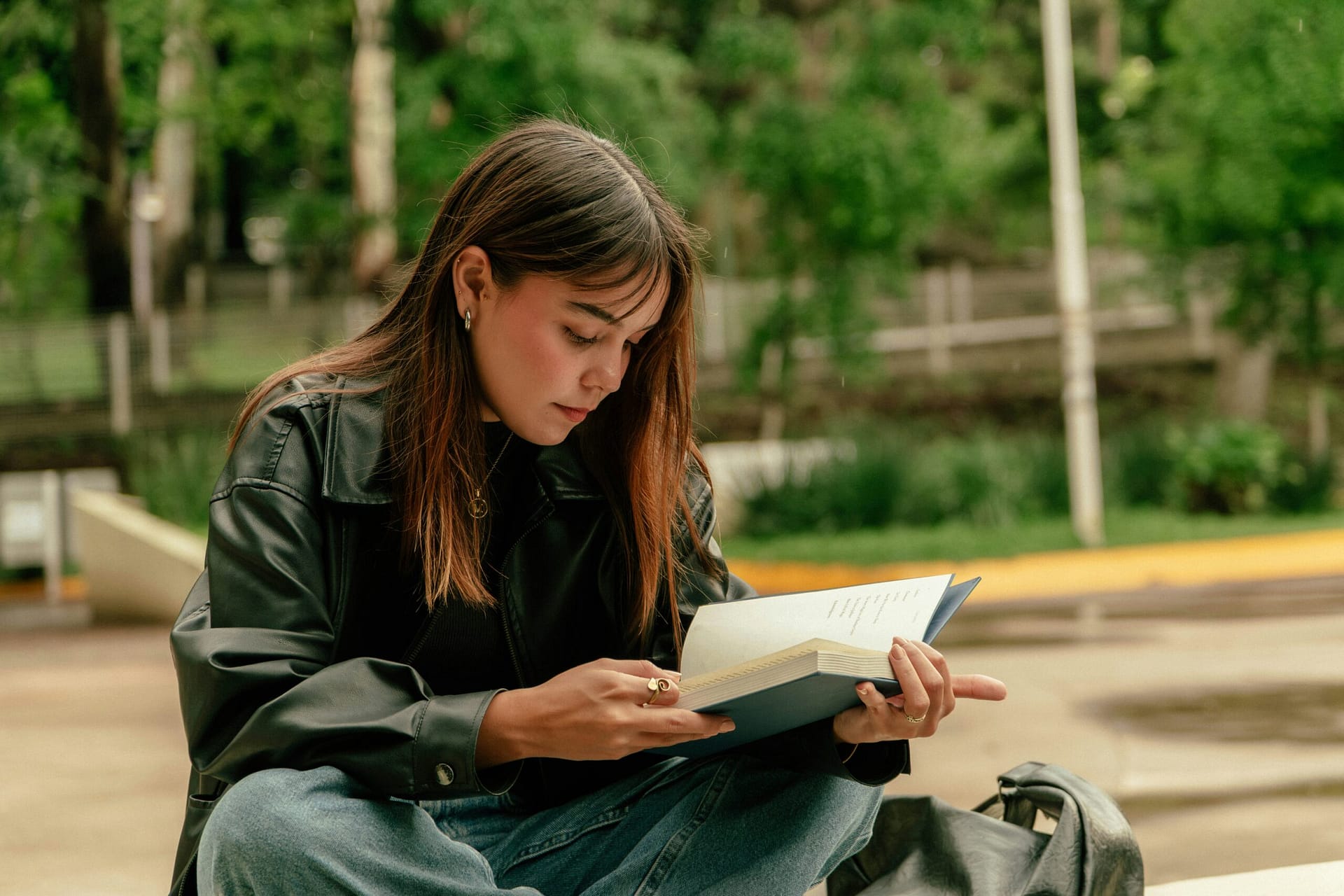
An open book changes how you sit in a public place. You’re still in the café, on the train, or on a park bench, but you no longer seem available for whatever comes next.
Being alone in public can feel oddly unfinished. You might be waiting for someone, checking messages, or simply filling time. A book makes the situation clearer. Your attention already has somewhere to be.
You don’t need to look busy or avoid eye contact with the room. Once you’ve settled into the pages, the message is obvious enough.
That’s what separates reading from sitting alone with a phone. You can stay among other people without feeling pulled into every small thing happening around you.
When the Cover Became Visible Again
An e-reader keeps the title private. From across a train carriage, every book looks like the same grey screen.
A paperback gives away a little more. It might be the novel everyone finished months ago, a niche essay collection, or the thriller you bought at the airport and ended up loving.
BookTok helped bring those covers back into everyday view. Titles began turning up in videos, tote bags, café photos, and the hands of readers who might once have kept that part of themselves private.
Now a cover on the table feels almost like a small introduction. Sometimes it starts a conversation, though usually the moment is quieter. You notice that someone across the carriage is reading a book you loved, and they seem slightly less anonymous.
The cover doesn’t tell you everything. It gives you just enough.
The Minutes That Used to Belong to the Scroll
The phone didn’t take over the whole day at once. It took the smaller gaps first: a delayed train, ten minutes before a meeting starts, or the wait for a lunch order that’s somehow taking forever.
Those moments disappeared into the screen so easily that reaching for it stopped feeling like a choice. With so much constant information competing for our attention, even a few quiet minutes can start to feel unfamiliar.
That may help explain the growing interest in phone-free experiences. Eventbrite reported that attendance at such events rose by 121% between 2024 and 2025, while the number of events increased by 567% worldwide [1].
A book works well in the same gaps. You read a few pages, close it when the train arrives, and continue later. You don’t need a free evening or a serious reading plan.
For many readers, reading instead of scrolling begins exactly there. Not with a resolution, just with a paperback already in the bag.
What Kind of Story Do You Need Today?

You don’t always choose a book because it looks important. Sometimes the choice is very simple. You know what kind of book will suit the mood you’re already in.
A romcom works when you want chemistry, bad decisions, and some confidence that nobody will be completely miserable by the final chapter. Dark fantasy and romantasy are for a different evening. The world is stranger, the stakes are higher, and ordinary life disappears faster.
Horror gives you something unsettling with a clear way out. Memoirs let you follow someone else’s life closely for a while. Literary fiction leaves more room for difficult people, awkward choices, and endings that don’t explain themselves. Manga can move between romance, action, humour, and darkness before you’ve had time to settle into one mood.
BookTok made these preferences much easier to recognise. You can find readers gathered around one trope, one character type, or the oddly specific kind of chaos you already know you’re looking for.
Circana’s Turning the Page on 2026 Book Trends report reflects that variety. Romance remains a major fiction category, while manga continues to attract new readers [2].
You’re not only choosing a story. You’re choosing what you want the next hour to feel like.
What Reading in Public Is Really Bringing Back

A book still gives you a quiet moment in the middle of a busy street. That part hasn’t changed.
What feels different now is that reading no longer looks like stepping away from other people. A familiar cover on the next train seat, someone asking if the novel is worth reading, or quietly recognising the same favourite author has become part of the experience too.
Public reading lets you be alone without feeling isolated. It gives you a little distance from the constant pull of the screen while leaving just enough room for the people around you.
Maybe that’s why it feels so current again. A paperback fills the spare minutes that used to disappear into scrolling, but every now and then it does something your phone rarely does. It gives two strangers something real to recognise in each other before a single word is spoken.
Sources:
VireonPress Editorial is the publication’s collective voice. We cover business, technology, culture, and beauty with a focus on trends, systems, and the ideas quietly shaping everyday life.
The Saturday Stroll: How Walking Clubs Became the New Night Out
Advertisement