Table for Two: How Dog-Friendly Cafés Changed Everyday City Life

I'm writing about beauty and celebrity culture for Vireon Press, tracking how trends evolve across fashion, media, and public life.
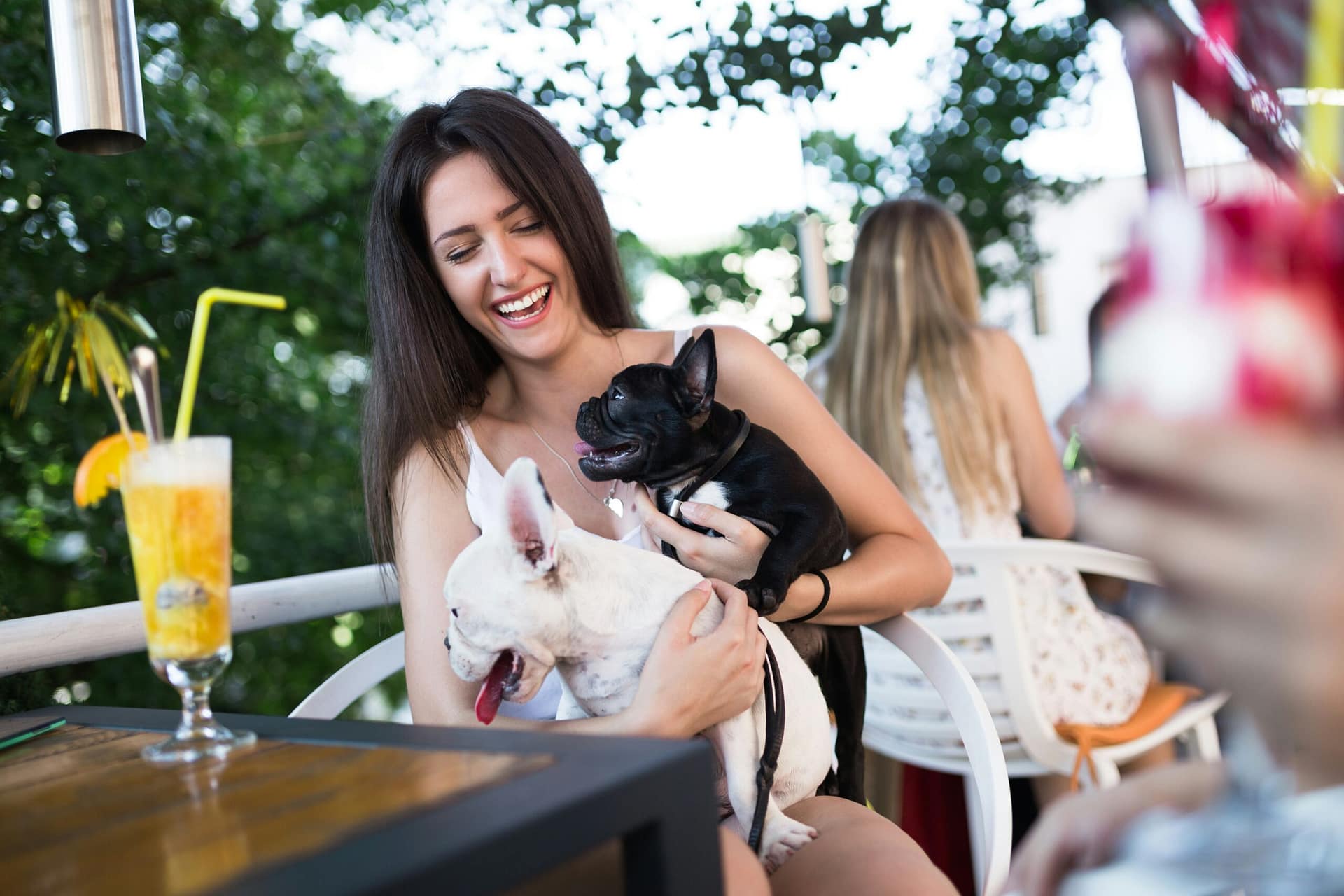
You open the café door, check the tables, then look down. Is there enough room for the dog? Will the lead block the aisle? Does the person behind the counter look genuinely relaxed about having animals inside?
For many owners, that scan now happens before they’ve even looked at the menu.
There used to be a clear line between time with your dog and the rest of the day. You went for a walk, came home, then left again for work, lunch, or coffee.
Now that line is harder to see. Your dog comes with you, which means you start choosing places differently. A dog-friendly café can’t just allow animals through the door. It has to give both of you enough reason to stay.
The City Route Looks Different With a Dog
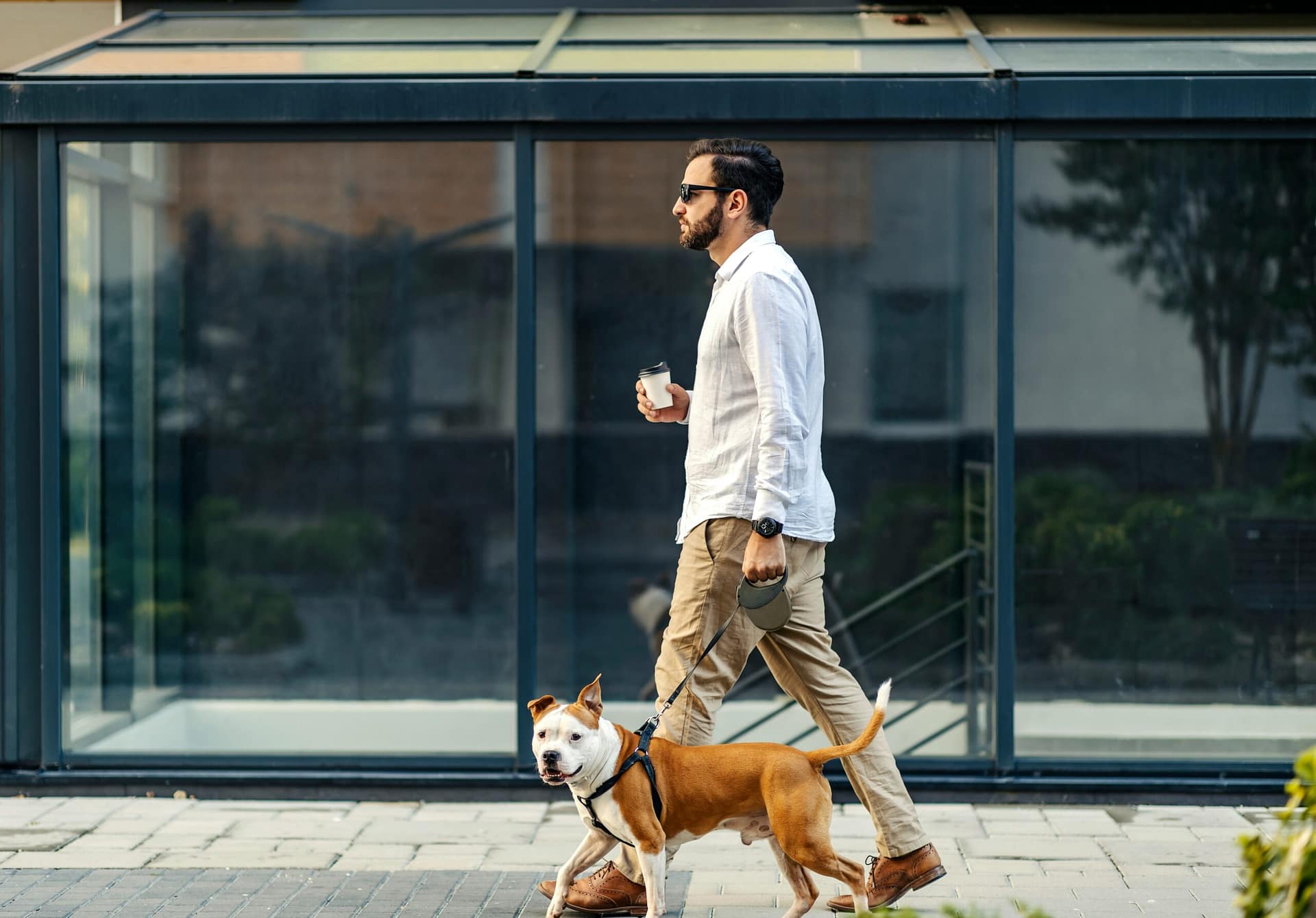
Once your dog starts coming with you, separate plans have a way of turning into one longer route. The morning walk becomes an espresso, a parcel pickup, and maybe half an hour with your laptop before heading home.
That kind of flexibility also reflects the way work and life boundaries have become less fixed, with coffee shops now sitting somewhere between the office, the neighbourhood, and the rest of the day.
You start noticing different things too. A café near the park feels more useful than one across town. A quiet corner may matter more than the best table by the window. Even the gap between two chairs can decide whether the dog settles down or spends the whole visit being stepped around.
The same place can work beautifully at ten in the morning and feel impossible by lunchtime. A bowl of water helps, but so does space, a little calm, and knowing there’s an easy way out if the room gets too busy.
That’s why a genuinely dog-friendly café becomes part of how the day comes together. It lets ordinary plans sit next to each other without an extra trip home or asking the dog to make the best of a place that never really thought about animals.
Beyond the Water Bowl
You can usually tell within a few minutes how comfortable a café really is with dogs.
In the right place, your dog settles quickly and you stop watching every small movement. You’re not checking the door, apologising whenever they stand up, or drinking your coffee faster because the room feels tense.
A few details usually give the place away:
– water is easy to reach and not sitting in the busiest part of the room;
– the floor gives paws enough grip;
– the lead can stay close without crossing the pathway;
– there’s a quieter table away from the entrance or coffee machine;
– staff know when your dog wants attention and when it would rather be left alone.
None of these things feels especially impressive on its own. Together, they decide whether your dog curls up under the table or spends the whole visit trying to leave.
After a visit or two, you stop paying attention to the extras. What makes you come back is the feeling that neither of you has to adjust. Your dog settles, you finish your coffee without thinking about every little movement, and being there simply feels easy.
Why Dog-Friendly Cafés Keep Appearing Everywhere

Coffee still matters, of course. So does location. But when you have a dog with you, the choice between two otherwise similar cafés may come down to which one lets the rest of your day continue as planned.
Lightspeed’s State of Hospitality 2026 research found that 45% of diners supported allowing dogs in restaurants in some form. Among Gen Z, support reached 64% [1].
That is no longer a small group sitting at the edge of the market. For many younger customers, bringing a dog along has become part of going out rather than a special request made in advance. Cafés are responding because the habit now shapes where a growing share of customers are willing to spend time.
The numbers also show that dog-friendly does not mean the same thing to everyone. Some diners are happy to share a terrace with dogs but feel differently about an indoor room. Others would rather keep restaurants pet-free. The demand is growing, but so is the need for clear boundaries.
That may be why cafés are becoming more specific about what they offer. Some welcome dogs throughout the space. Others keep them outdoors or set certain hours. The format varies, but the direction is clear: owners are no longer the only ones adjusting their plans. More businesses are deciding where dogs fit into the day too.
A Bigger Place in Everyday Life
The changes inside cafés are easy to notice, but they didn’t begin there. Water bowls, clearer rules, and more places allowing dogs appeared after owners had already started living differently.

Previous generations loved their pets too. The difference was that the day had firmer edges. The dog stayed home, came out for a walk, then waited there until everyone returned.
That routine can feel strangely separate now. Once your dog starts joining you for coffee or sitting nearby while you answer emails, leaving them behind for every other plan stops feeling automatic.
You also begin expecting more from the places around you. A café that welcomes dogs no longer feels like a lucky exception. It becomes one of the places that fits the life you already have.
Not every dog enjoys a busy room, and not every café needs to allow one inside. But seeing a dog asleep under the next table no longer feels unusual either.
That may be the clearest sign of what has changed. Pets haven’t simply been given more places to go. They’ve been given a bigger place in the day.
Sources:
I'm writing about beauty and celebrity culture for Vireon Press, tracking how trends evolve across fashion, media, and public life.

Why Reading in Public Feels Cool Again
The Saturday Stroll: How Walking Clubs Became the New Night Out
Advertisement