Work Life Balance: Why It Feels Harder Than Ever
-
 By
VireonPress Editorial
By
VireonPress Editorial
- Culture
- 5 min read
- Culture
- 5 min read
Over the past two decades, the concept of work and life balance has transformed from a progressive lifestyle slogan into a source of collective guilt. Today, achieving this state is as mythical as finding the philosopher’s stone.
Moreover, the more we talk about that balance, the less we experience it. And the problem isn’t ineffective time management, but that the economy and technology themselves are designed to make this balance impossible.
The Always-On Infrastructure
An always-on culture implies providing everyday people with 24/7 connectivity, without the confines of an office or factory. Today, being out of reach is becoming an almost impossible scenario, and if it does occur, it’s perceived as a professional default.

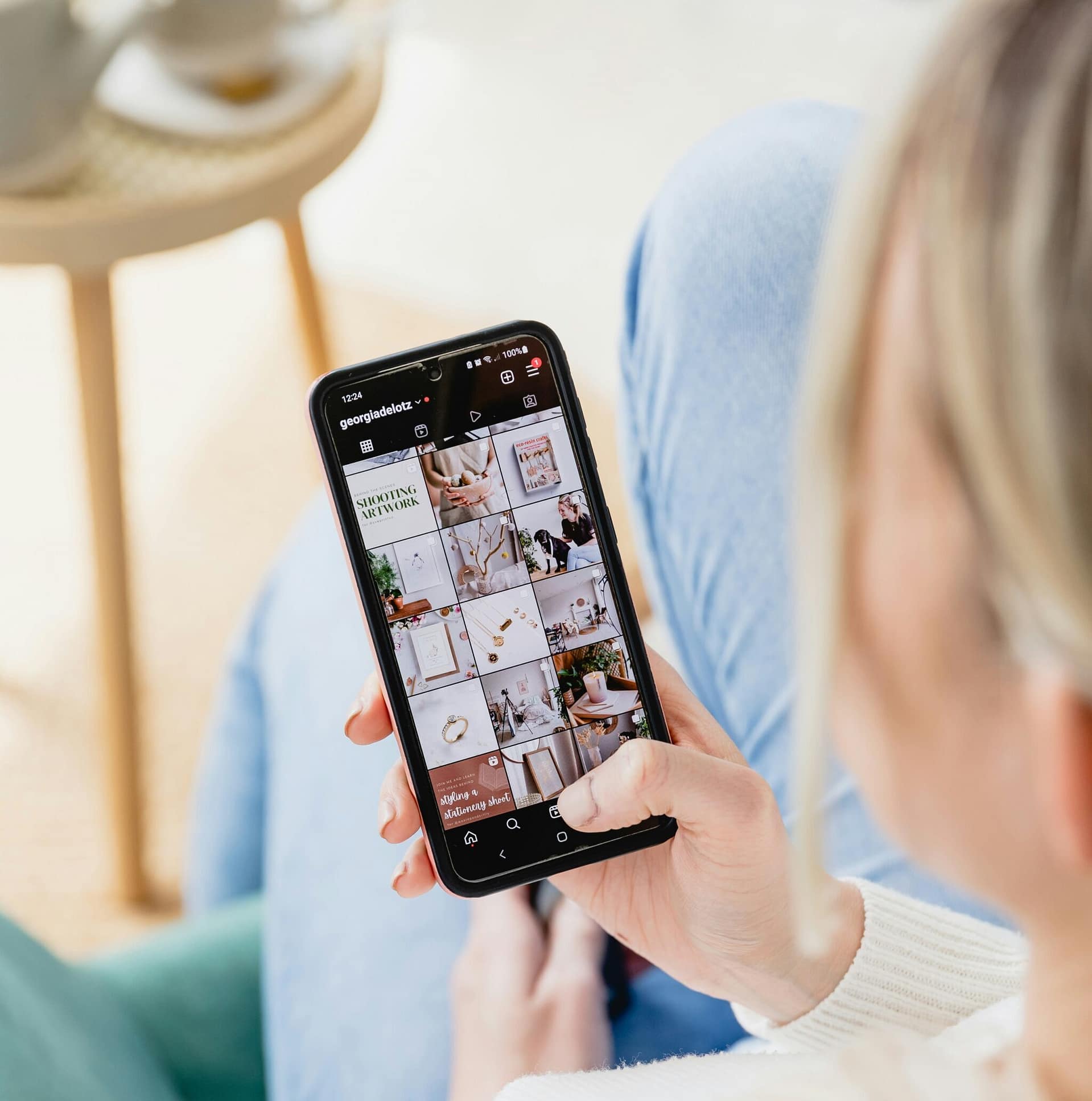
One of the main aspects of this problem is that modern capitalism has colonized the last vestiges of privacy, such as sleep, morning and evening quiet, as well as leisure time with family and loved ones. Take, for example, the well-known tech stack of Slack + Microsoft Teams + WhatsApp (or any other messenger) – it creates a sense of urgency even when there is none. Specifically, according to research [1], more than 40% of knowledge workers check work notifications within the first 10 minutes of waking up, which, in turn, triggers a cascade of dopamine and cortisol reactions even before a person has truly woken up. This means their brain instantly plunges into problem-solving mode without having time to get sober.
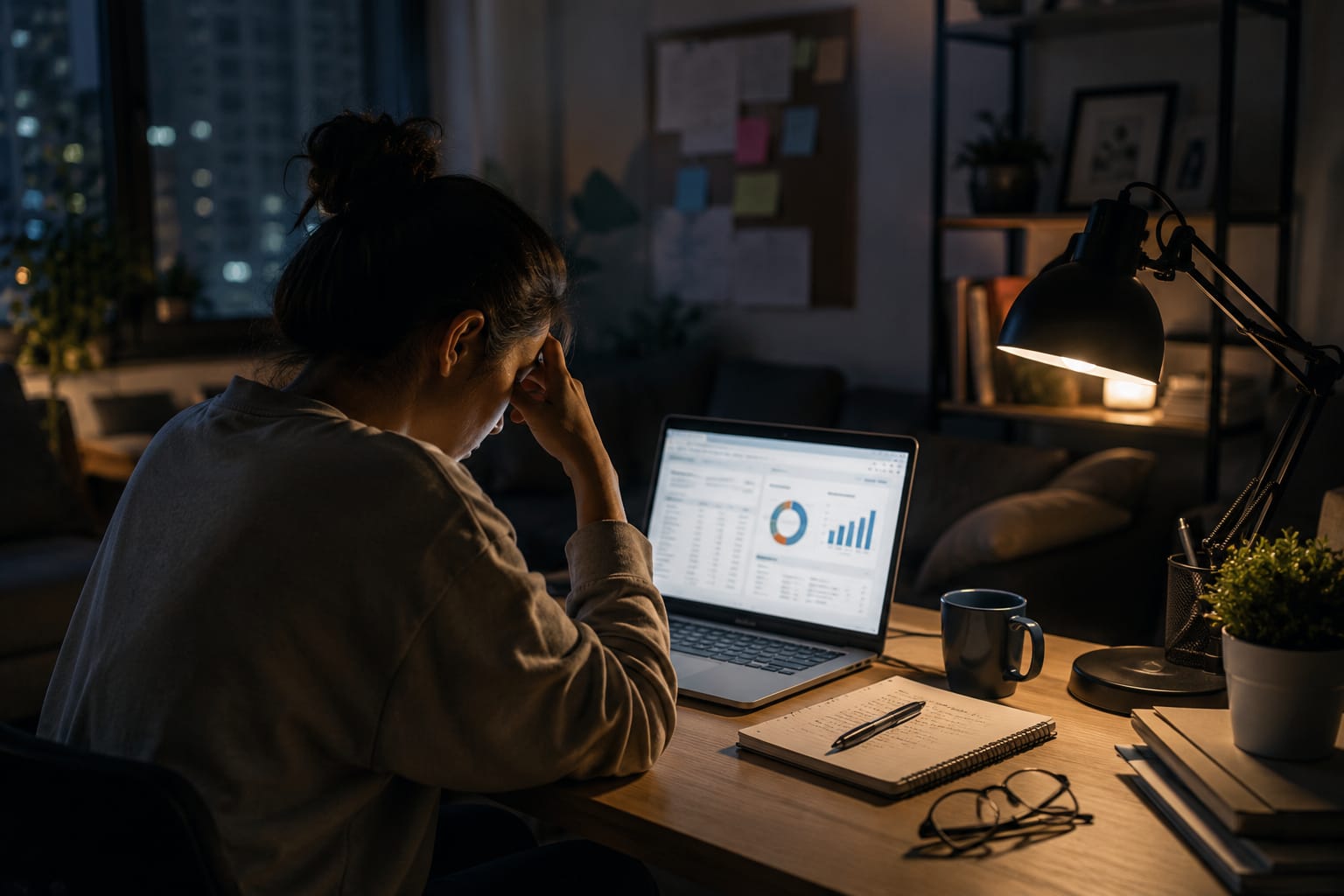
It’s also important to note that the infrastructure of constant presence generates a specific type of anxiety, that is, the fear of missing an important work discussion. Ultimately, even if an employee hasn’t yet had another task to complete, the mere presence of a smartphone in their line of sight forces their prefrontal cortex to scan for potential threats. Naturally, this doesn’t deprive us of the opportunity to read a book, watch a movie, or, for example, play with a dog, even if our peripheral vision has already registered a notification, but such rest ultimately turns into a simulation.
All this deprives people of the right to mental absence, which is so necessary for true recovery. This means that today, we are completely hostage to an infrastructure that doesn’t tolerate downtime and turns human resources into an endless battery for maintaining business processes.
Remote Work and Boundary Collapse
The remote work culture offers freedom, though in reality, we’ve lost personal space. Boundary erosion has occurred, where the home no longer provokes role shifts.
For example, if a commute to the office gave us some time for decompression, now, the transition from project manager to parent/wife/husband, etc., takes just as long as it takes to turn off the PC. On the other hand, cognitive inertia works completely differently, provoking conflicts when an employee is physically having dinner with the family but mentally continuing to finish a report. As a result, the home has become a multifunctional hub, where digital work will always pollute the resting space.
Productivity Culture and Visible Performance
Modern knowledge workers, in addition to doing their main work, must constantly prove that they’re actually doing it.
For example, in corporate messaging apps, “Online” status has become the equivalent of being present at their desk. Consequently, many employees are forced to use mouse jigglers to prevent their status from changing to “Away”. As a result, people are afraid to even step away for a cup of coffee, lest they arouse the suspicions of the management and meet their workplace expectations. The most absurd thing is that this productivity pressure rewards the appearance of busyness without having any impact on the actual work itself. As a result, time that could have been spent on intensive work is wasted on maintaining the performance visibility, leading to rapid burnout despite a formally flexible schedule.
Work Life Balance vs Work Life Management
Let’s compare the concept of work life balance, which is already outdated, with the more relevant work life management one.
|
Feature
|
Work-life balance (an outdated model)
|
Work-life management (an actual model)
|
|---|---|---|
|
Goal
|
Ideal equality of shares
|
Flexible resource allocation
|
|
Perception
|
Work and life are enemies
|
Work is part of life
|
|
Method
|
Rigid time sharing
|
Integration and prioritization
|
|
Result
|
Stress from not living up to the ideal
|
Control over the current moment
|
|
Main skill required
|
Time management
|
Energy and boundaries management
|
Is Balance Even the Right Goal?
It’s time to acknowledge that the proverbial balance is unattainable, not least because it presupposes a static equilibrium point, reaching which we will find eternal peace. However, achieving this balance becomes just another task to be accomplished (and failing to do so will trigger toxic feelings of guilt).

Is there salvation? In short, yes. We need to develop the ability to firmly manage our attention in a world that seeks to privatize it. The goal should not be balance (a passive state), but control (an active action). That is, instead of trying to do everything, you simply have to finally recognize your right to inaccessibility and, for example, instead of combining a yoga class with a deadline, have the courage to admit that work and life will always conflict with each other, and accordingly, make a conscious decision about what is more important for your physical and mental state.
Conclusion: Control, Not Harmony
It’s time to understand balance not as a measurable result, but as a dynamic process known as the attention economy. Harmony in the modern world is a utopian concept, but control is not. Simply control when you need to engage in your work routine and, equally important, disappear from the radar – and you will be happy.
Sources:
VireonPress Editorial
Discover with Vireon Press
Why Thrift Stores Are Booming Right Now
Retirement in Installments: Why Modern Workers Are Pausing
Why Everyone Wants a Personal Brand Now