Nearshoring Under Review: The End of Mexico’s Trade Certainty

Editor-in-chief at Vireon Press, covering business and technology through the lens of strategy, efficiency, and real-world consequences.
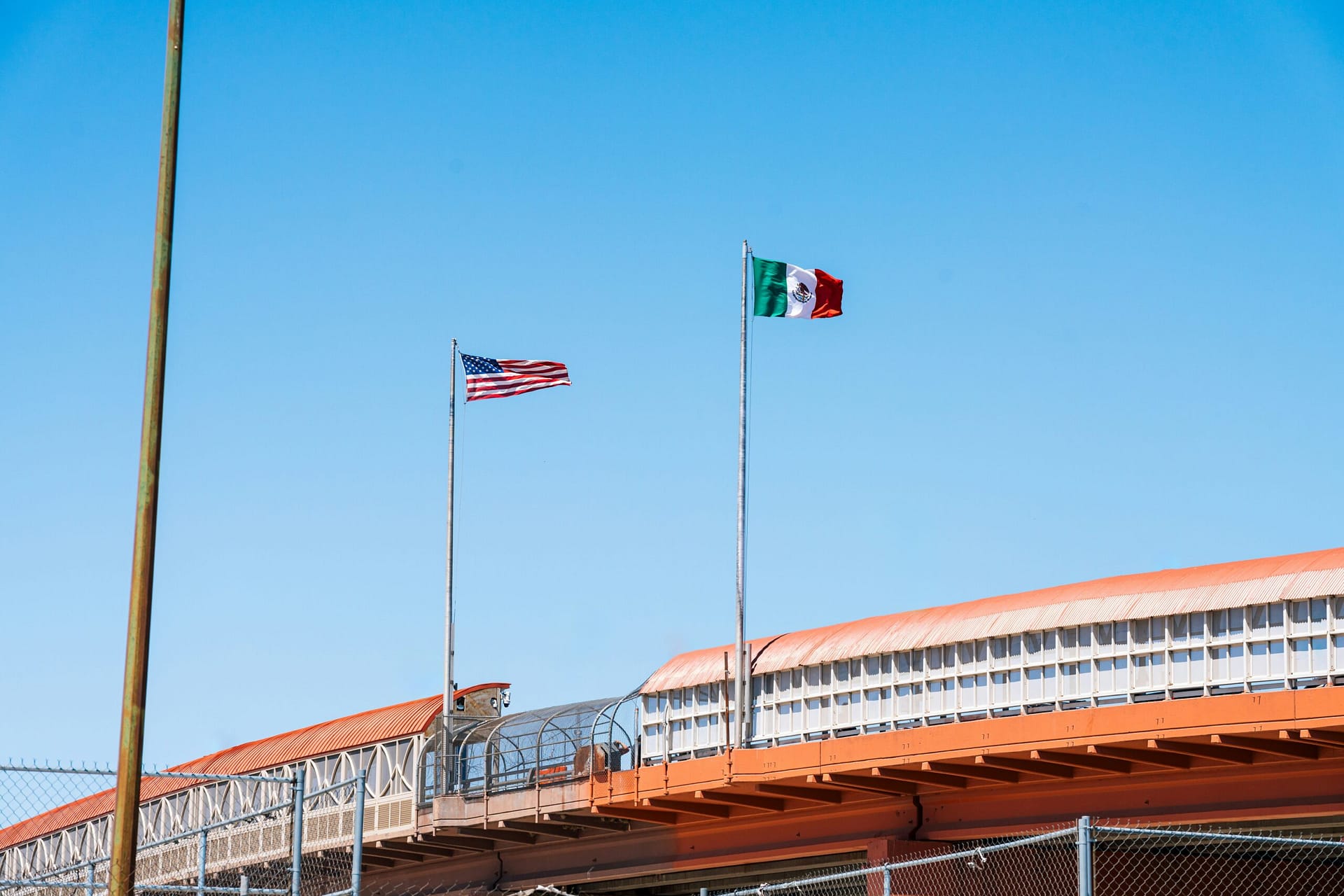
For years, Mexico’s nearshoring appeal rested on a simple assumption: USMCA gave companies a stable North American framework for long-term investment. Factories, logistics hubs and supplier networks could be planned around preferential access to the U.S. market with relatively low treaty risk. That predictability is now less automatic. On July 1, Reuters reported that Mexico is moving to address U.S. concerns over trade dependence after Washington declined to support an immediate long-term extension of the agreement [1].
The shift does not mean USMCA is disappearing. It means regulatory confidence is becoming a managed resource rather than a fixed backdrop. For businesses, the difference matters. A factory is built on a multi-decade timeline, but the political assurance behind regional trade is now more exposed to review cycles, origin scrutiny and strategic pressure. Nearshoring still works. It just carries a new uncertainty premium.
The Review Mechanism Is Becoming the Message
The shift in North American trade is visible inside the USMCA’s own review structure. In June 2026, the USTR and Mexico’s Secretariat of Economy confirmed bilateral discussions related to the agreement’s Joint Review, showing that the process has moved beyond a routine administrative checkpoint [2]. Article 34.7 of the USMCA requires a six-year review and sets out the mechanism for extending the agreement’s term, making renewal a political decision rather than a background assumption [3].
For the private sector, that matters more than the legal language suggests. The agreement has not collapsed, and regional trade rules remain in place. But structural stability now has to be maintained through active negotiation. When extension is not treated as automatic, every long-term investment in Mexico carries a new question: what will the next review require? For a manufacturer in Monterrey or an exporter in Querétaro, the review process itself has become the message. Stability is no longer passive.
The Dependency Trap: Why Rules of Origin Matter More
The pressure around USMCA is rooted in a specific concern: Mexico should not become a rerouting platform for non-regional supply chains. For companies, that changes the meaning of nearshoring. “Made in Mexico” is no longer enough if the deeper supplier base remains exposed to inputs Washington wants to scrutinize.
The burden falls hardest on complex sectors such as autos, electronics and industrial machinery. These industries depend on layered suppliers, imported components and regional value calculations that are difficult to verify at speed. Under the USMCA framework, preferential treatment depends on meeting origin rules and documenting how much value is created inside North America [3].
That turns supplier control into a strategic function. Enterprises must know not only where final assembly happens, but where steel, chips, batteries, wiring and sub-components enter the chain. Mexico’s proximity advantage remains powerful. It now has to be proven through documentation, not assumed through geography.
Pricing the Friction: Nearshoring’s New Uncertainty Tax
The business cost of the USMCA review is not only legal; it is financial. CSIS has described the 2026 review as a decision node rather than a simple deadline, because the outcome can shape competitiveness, investment confidence and long-term trust across North America [4]. That is the point manufacturers cannot ignore. A factory is not built on a two-year political cycle. It is built on assumptions about tariffs, sourcing rules, customs treatment and market access that must hold for decades.
This is where nearshoring starts to carry an uncertainty tax. If trade rules are subject to recurring political tests, companies have to discount future returns more aggressively. Legal review, supplier documentation, backup sourcing and lobbying become part of the operating model, not exceptional costs. The same investment discipline already visible as the energy transition becomes more profit-driven is reaching North American manufacturing: capital now asks whether physical projects can survive political friction before they deliver returns. Predictability is no longer an automatic byproduct of location; it is something companies must pay to monitor and defend.
Trade Certainty Becomes Managed Infrastructure
Mexico’s core advantages are still real. The country has proximity, labour depth, transport links and a manufacturing base that competitors cannot quickly copy. That is why nearshoring will not disappear because of one review cycle.
But the easy version is over. Companies can no longer treat USMCA access as background weather. They will need origin files, supplier audits, compliance teams and contingency plans ready before politics asks for them. The winners will not be the firms that simply moved production closer to Texas. They will be the ones that can prove, year after year, that their supply chains belong inside North America. Mexico remains attractive. It just stopped being simple.
Sources:
[1]: Reuters — Mexico looking to address US dependence concerns in USMCA talks, Ebrard says
[3]: USTR — Agreement between the United States of America, the United Mexican States, and Canada
Editor-in-chief at Vireon Press, covering business and technology through the lens of strategy, efficiency, and real-world consequences.

The Schneider PTC Deal and the New Industrial Business Model


The In-House Premium: GE Aerospace and the Return of Vertical Integration

How Brands Can Sell Value Without Sounding Expensive
Shein’s $26B Reality Check: Why Fast Logistics Is Getting Expensive

The Warehouse Correction: America’s Logistics Boom Meets Real Demand
Advertisement