How Digital Payments Changed the Meaning of Convenience
-
 By
Arthur Kellan
By
Arthur Kellan
- Technology
- 6 min read
- Technology
- 6 min read
Paying used to be harder to miss. Opening a wallet, counting bills, inserting a card, waiting for change or a receipt — the sequence had weight. Even when it moved quickly, it created a small pause before the transaction closed.
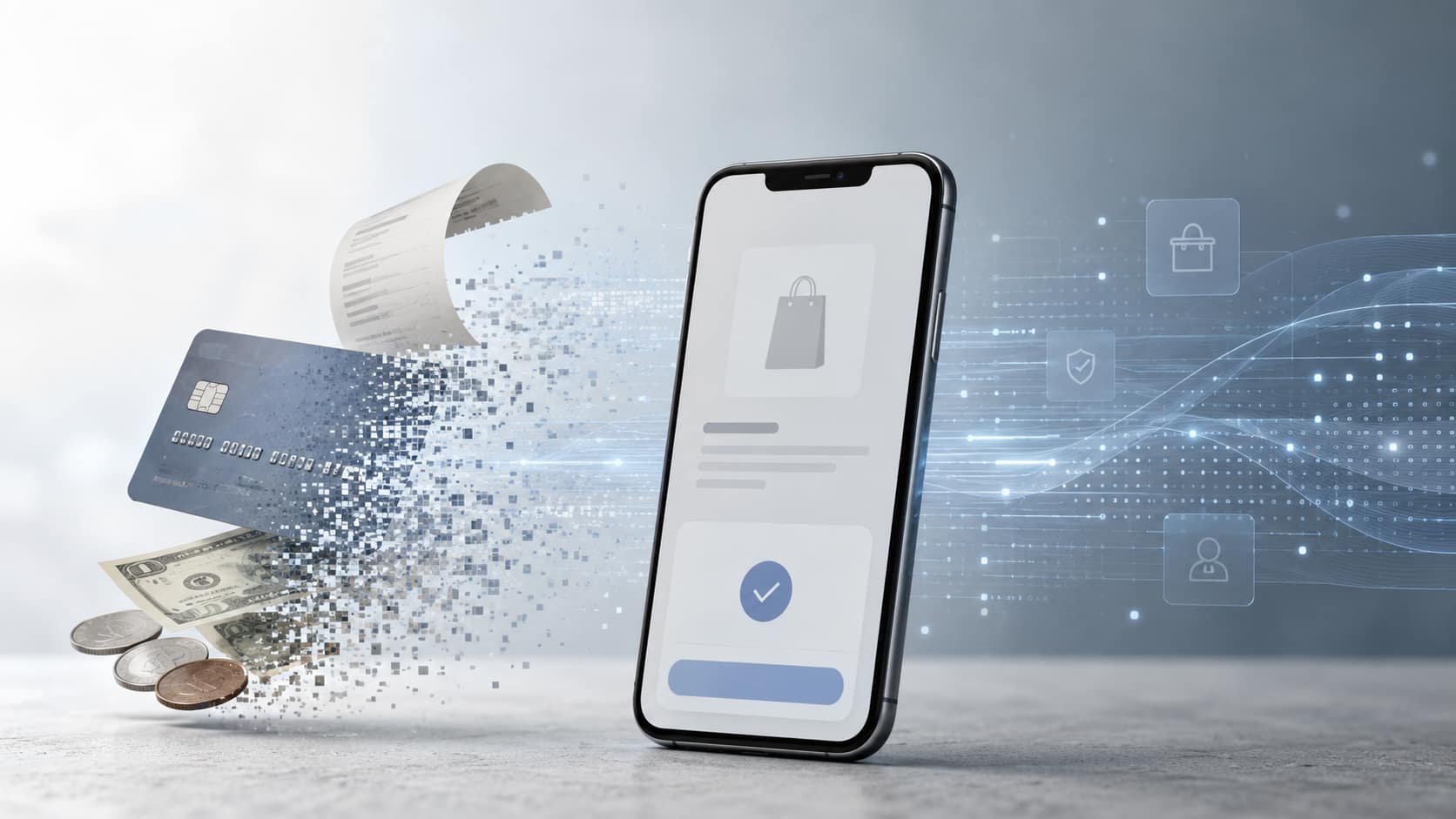
Digital payments have dismantled much of that ritual. The transaction is no longer a separate gate at the end of the purchase. It sits inside the software people already use to book rides, order food, renew subscriptions, or access media.
By removing the physical presentation of money, the market did more than accelerate checkout. It changed what people expect from every transaction. When a biometric scan, a tap, or a saved card completes the purchase, the shift from desire to ownership becomes almost immediate
Convenience Became the Default Expectation
The new standard arrived through ordinary gestures. A phone tapped against an NFC reader. A card saved in a browser. A mobile wallet opened without much thought. A checkout finished inside an app before the user ever lands on a separate payment page.
After enough repetitions, convenience stops feeling like a feature. It becomes the baseline.
That is why small delays now feel larger than they are. A café terminal that hangs for four or five seconds can make a routine purchase feel broken. A website may have good reasons to ask for a CVV, billing address, or ZIP code, but the customer rarely experiences it that way. They mostly feel the extra step.
Mobile payments, contactless payments, saved cards, and one-click checkout have changed the emotional tolerance around payment. Slow checkout no longer feels like a neutral part of the process. It feels like poor service.
Convenience used to help a brand stand out. Now the payment experience is expected to be invisible. The customer notices the infrastructure only when it stumbles, waits too long, or asks them to think about the payment again.
How Payment Design Shapes Behavior

Payment design does not just make checkout cleaner. It changes the moment when a person has time to reconsider, exposing the hidden cost of digital convenience on everyday financial discipline.
Cash used to make spending visible. A card still had a small ritual around it. But mobile payments and biometric approval remove much of that friction. A Face ID scan does not feel like handing over money. It feels like unlocking something. The action is familiar, almost automatic, which is exactly why it changes the emotional weight of the purchase.
For businesses, that smoothness is not just politeness. It is conversion infrastructure. Baymard Institute’s checkout research estimates that the average large e-commerce site can improve conversion by 35.26% through better checkout UX, including fewer unnecessary steps and form fields. A saved card, a mobile wallet, or a shorter payment form can turn hesitation into completion before the buyer has fully left the moment of desire.
For the customer, the change is quieter. A subscription renews before the day has really started. A buy now, pay later offer turns the full price into smaller pieces. An app checkout holds the card details already, waiting for one tap. None of these moments feels significant on its own, but together they remove psychological resistance, ensuring capital moves long before the loss is registered and feeding the same convenience loop behind modern overconsumption.
Why Trust Still Matters
Invisible payment has its own problem. The smoother the transaction feels, the more important the proof becomes.
A customer may enjoy the speed of a tap or Face ID scan, but they still want to know what happened. Was the right amount charged? Did the payment go through? Was the card data protected? When money moves too quietly, trust has to be rebuilt in small visible ways.
Behind the screen, card details melt into network tokens while background risk algorithms check fraud signals in milliseconds. The customer skips the machinery entirely. They intersect with the infrastructure only when it stumbles — through a declined card, a duplicate charge, or a silent confirmation failure that morphs into a support ticket.
The best payment experience is not completely invisible. It leaves behind a small signal. A haptic buzz. A push notification. A receipt. A clean checkmark on the screen.
These details are not decoration. They are useful friction. They give the customer a second of certainty before the interface moves on.
Digital payments work best when they disappear just enough — not so much that the user starts wondering where the money went.
The Business Side of Faster Payments

For businesses, faster payments look like a clean advantage. A faster checkout keeps the purchase from cooling off. The buyer does not have to retype a card, search for a wallet, or wait while the page behaves as if it is thinking.
For the merchant, that ease is not weightless. The clean tap at the terminal sits on top of processors, gateways, fraud tools, settlement systems, and reliability promises that all cost money.
The bill shows up in a few predictable places:
– Processing fees: The merchant still pays for the transaction. Bankrate’s 2025 merchant guide puts average credit card processing fees at about 1.5% to 3.5% of a transaction, depending on the card, processor, and merchant terms.
– Gateway and platform fees: Stripe, Adyen, and other processors sit between the customer and the merchant, handling routing, settlement, fraud tools, and the software layer that makes checkout feel simple.
– Uptime pressure: Stripe’s 2026 peak shopping guide says the company processed more than 578 million transactions during the 2025 Black Friday–Cyber Monday period while maintaining more than 99.999% API uptime.
This is the less visible side of digital payments convenience. The customer experiences a tap. The merchant absorbs the stack behind it.
And once speed becomes normal, reliability becomes unforgiving. If a gateway stalls, a terminal freezes, or a checkout page hesitates at the wrong moment, the buyer is unlikely to think about payment infrastructure. They will just feel that the business failed.
Speed raises the standard. It also raises the dependency. Once payment convenience becomes invisible, every interruption becomes visible.
Resetting the Friction Standard
Digital payments did not just remove cash from the checkout. They reset what people are willing to tolerate.
Spending has become quieter, faster, and more absorbed into the background of daily interfaces. The effort has moved away from the buyer and into the machinery behind the screen: processors, gateways, fraud checks, and confirmation flows.
Speed is no longer enough to stand out. Once instant confirmation and near-invisible checkout become normal, the payment experience is noticed mostly when it breaks.
That is the new standard for digital service. Convenience is not just a faster way to pay. It is a system reliable enough to disappear until the transaction is already complete.
Sources:
[1] Baymard Institute. E-Commerce Checkout UX: 18 Ways to Increase Conversions.
[2] Bankrate. Average Cost of Credit Card Processing Fees (2025).
[3] Stripe. Preparing for Peak Shopping Season 2026.
Arthur Kellan
Discover with Vireon Press

Why Smart Homes Still Have a Trust Problem



Edge Computing: When the Cloud Is Too Far Away

AI Agents: Why Software Is Starting to Look Disposable


Military Drones: Low-Cost Systems and Modern Warfare
GDPR Regulations: The Real Cost of Getting It Wrong
Advertisement