Europe Is Softening Carbon Costs to Protect Industry
-
 By
VireonPress Editorial
By
VireonPress Editorial
- Business
- # business news
- 4 min read
- Business
- # business news
- 4 min read
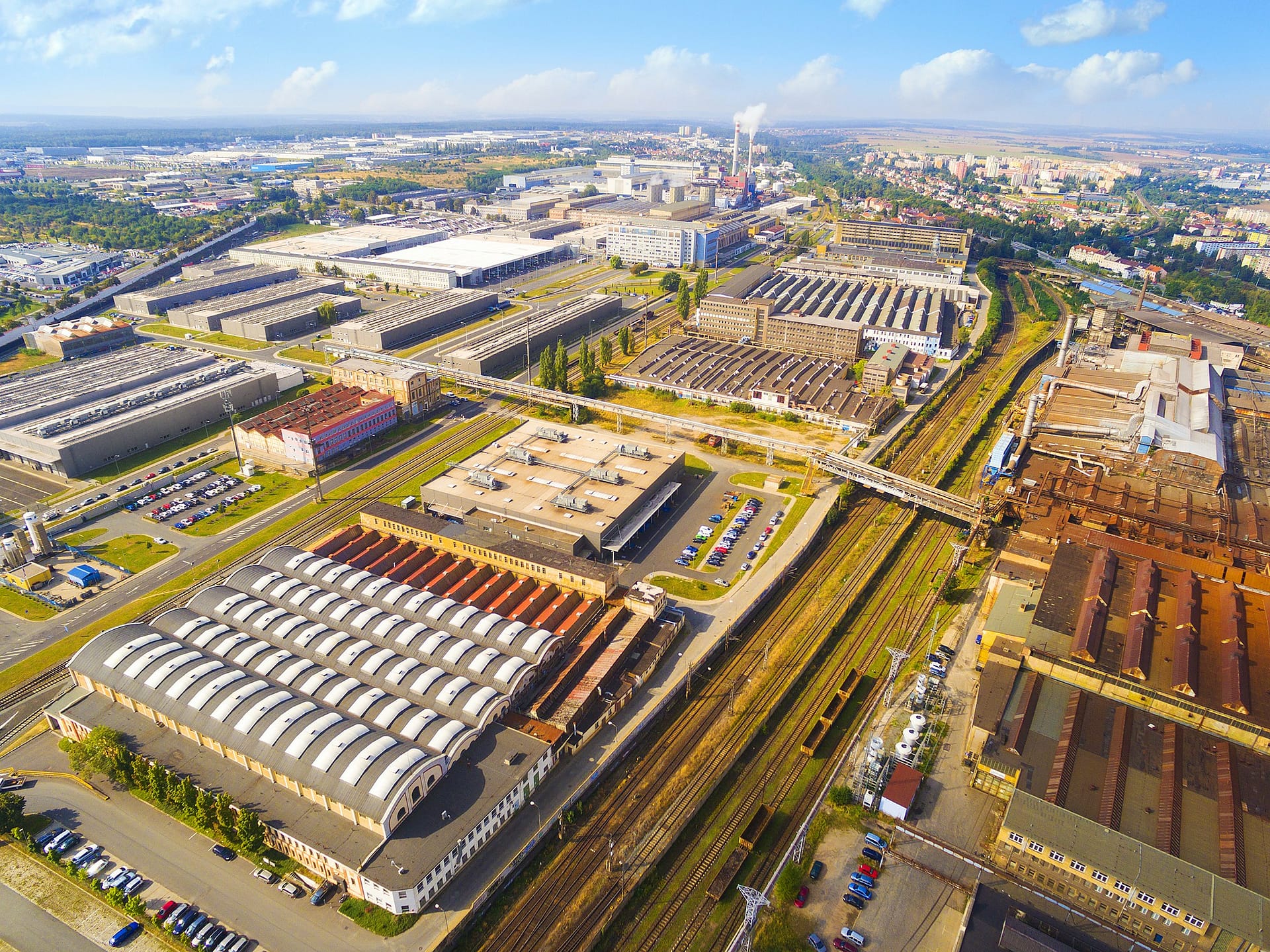
Brussels is moving from climate ambition toward industrial damage control. Faced with pressure from energy-intensive sectors, EU officials are drafting plans to release additional free CO₂ permits before the end of the year, according to Reuters [1]. The move shows that Europe is softening carbon costs to protect industry as the Green Deal meets a harder competitiveness test.
This is not a formal retreat from climate targets. It is a recognition that the EU Emissions Trading System (ETS), designed to force decarbonization through financial pressure, is also raising the operating-cost base for steel, chemicals, cement and other heavy industries. As carbon leakage moves from a theoretical policy risk to a boardroom concern, the European Commission is shifting toward a more defensive model of industrial survival.
The Competitiveness Gap
The EU Emissions Trading System has become more than a climate instrument. It now acts as a structural burden inside Europe’s manufacturing base. The European Commission says ETS1 carbon prices have remained well above €50 per ton of CO₂ since 2021, averaging around €80 in 2022–2023, falling to €65 in 2024 and fluctuating between €60 and €80 in 2025 [2]. For steel, cement, fertilizers and basic chemicals, carbon pricing is no longer a marginal policy charge. It is a recurring cost that competitors in markets with looser carbon regimes or heavier subsidy support do not carry in the same way.
This creates the core strategic contradiction. Europe cannot demand geopolitical autonomy while allowing its industrial base to erode under costs its competitors do not carry. The same logic is visible in Germany’s pharmaceutical sector, where healthcare cost cuts are turning into pharmaceutical investment risks: regulatory savings can weaken the industrial base they depend on. If carbon leakage shifts factories abroad, the EU may cut reported emissions while importing the same dependency through foreign-made steel, cement and chemicals.
CBAM and the Shielding Strategy
The policy response is not to dismantle the EU carbon market, but to wrap it in protection. The first layer is temporary cushioning. EU officials are preparing to grant industry additional free CO₂ permits this year, reducing immediate pressure while broader ETS reforms remain under debate [1].
The second layer is external defense. The Council of the European Union has agreed its position on strengthening CBAM, the bloc’s Carbon Border Adjustment Mechanism, including an expanded product scope and tougher anti-circumvention rules [3]. The goal is to make importers carry comparable embedded carbon costs, reducing the incentive to move production outside the EU and sell back into the single market.
The third layer is public support. The European Commission says the Modernisation Fund is financed by EU ETS revenues and supports investments in renewable energy, energy efficiency, energy storage, energy networks and just transition in carbon-dependent regions [4]. That turns carbon pricing into more than fiscal discipline. The emerging model is a managed industrial transition: free CO₂ permits for short-term relief, CBAM for border protection and decarbonization subsidies for long-term retooling.
The Green Protectionism Paradox
The carbon price cushion creates the central political friction inside the Green Deal’s new phase. If free CO₂ permits dilute the ETS price signal too heavily, the financial incentive to invest in breakthrough technologies such as green hydrogen, electrified furnaces or carbon capture becomes weaker. But maintaining full cost pressure during a period of weak industrial growth risks a different failure: Europe could meet part of its climate objective by losing the factories that produce its most carbon-intensive goods.
That is the green protectionism paradox of 2026. Climate neutrality remains the destination, but it is no longer being treated as a policy objective detached from industrial competitiveness. A green economy still needs steel, cement, chemicals, turbines and defense materials produced inside its own borders.
The softening of carbon costs is therefore less a retreat than an insurance policy. By wrapping the ETS in free allowances, border protection and decarbonization subsidies, Europe is trying to keep the transition investable rather than punitive. The lesson is simple: the EU can price carbon only as long as it still produces the goods that carry that price. Without factories, the Green Deal becomes an import strategy, not an industrial roadmap.
Sources:
VireonPress Editorial
Discover with Vireon Press
The Energy Transition Is Becoming More Profit-Driven

How Companies Keep Customers When Discounts Stop Working
Oil Markets Are Watching Supply Risk Return
Why Businesses Are Rethinking Free Trials


Advertisement