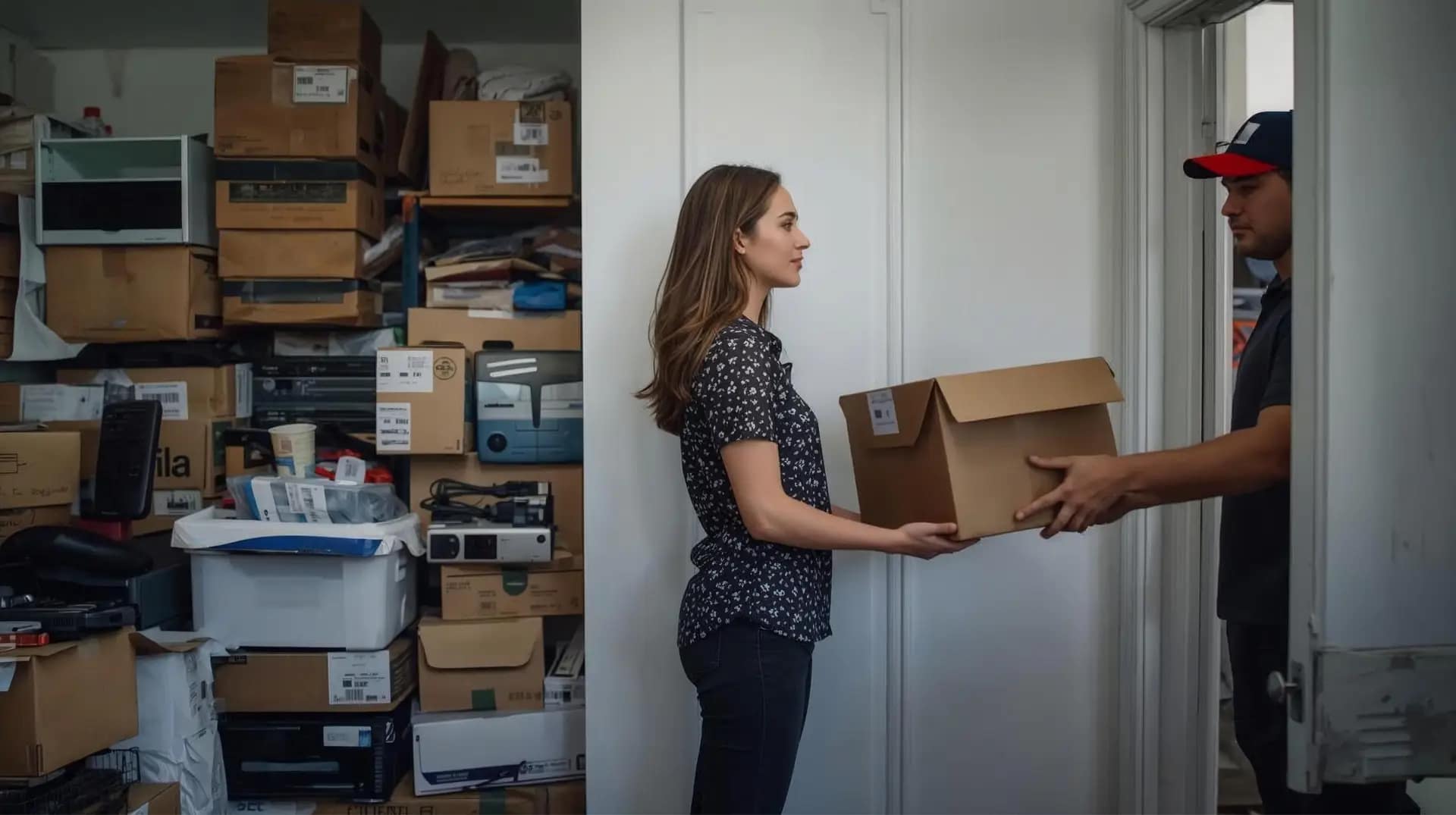
Minimalist Lifestyle: Simplicity as a Form of Control
-
 By
Emily Hart
By
Emily Hart
- Culture
- 5 min read
-
By
Emily Hart
- Culture
- 5 min read
Since time immemorial, success has been equated with the ability to accumulate material possessions, and the voluntary renunciation of things and digital stimuli has come to be perceived as a kind of act of resistance. Minimalism is no longer just another interior design style. It also represents a reaction to the aggressive attention economy and commodity overload – something that ultimately allows us to reclaim our agency.
From Aesthetic Trend to Economic Signal
Minimalism has transformed from a niche Japanese philosophy and Scandinavian design movement (incidentally, fashionable in the 2010s) into a global economic signal of our time. While white walls and minimalist capsule wardrobes were a whim of creatives in the 2000s, today they’re simply a response to rapid inflation and cognitive overload. This is because the purchase of things and real estate, in addition to the usual taxes, is now accompanied by an attention tax, provoked by aggressive, ubiquitous marketing.
Obviously, each item requires money and square footage for storage (the price of which is rising exponentially in large cities), as well as time for maintenance and, of course, mental energy for decision-making. So, now, instead of wasting resources on physical goods, people are increasingly looking to invest their freed-up funds in mobility. Indeed, without the “weight” of possessions, with intentional living, it becomes much easier for us to change countries or industries in a matter of days.
Minimalism and Status Without Display
In a world oversaturated with fast fashion, overconsumption is no longer relevant. Now, the conscious ability to refuse something has become the ultimate marker of privilege.
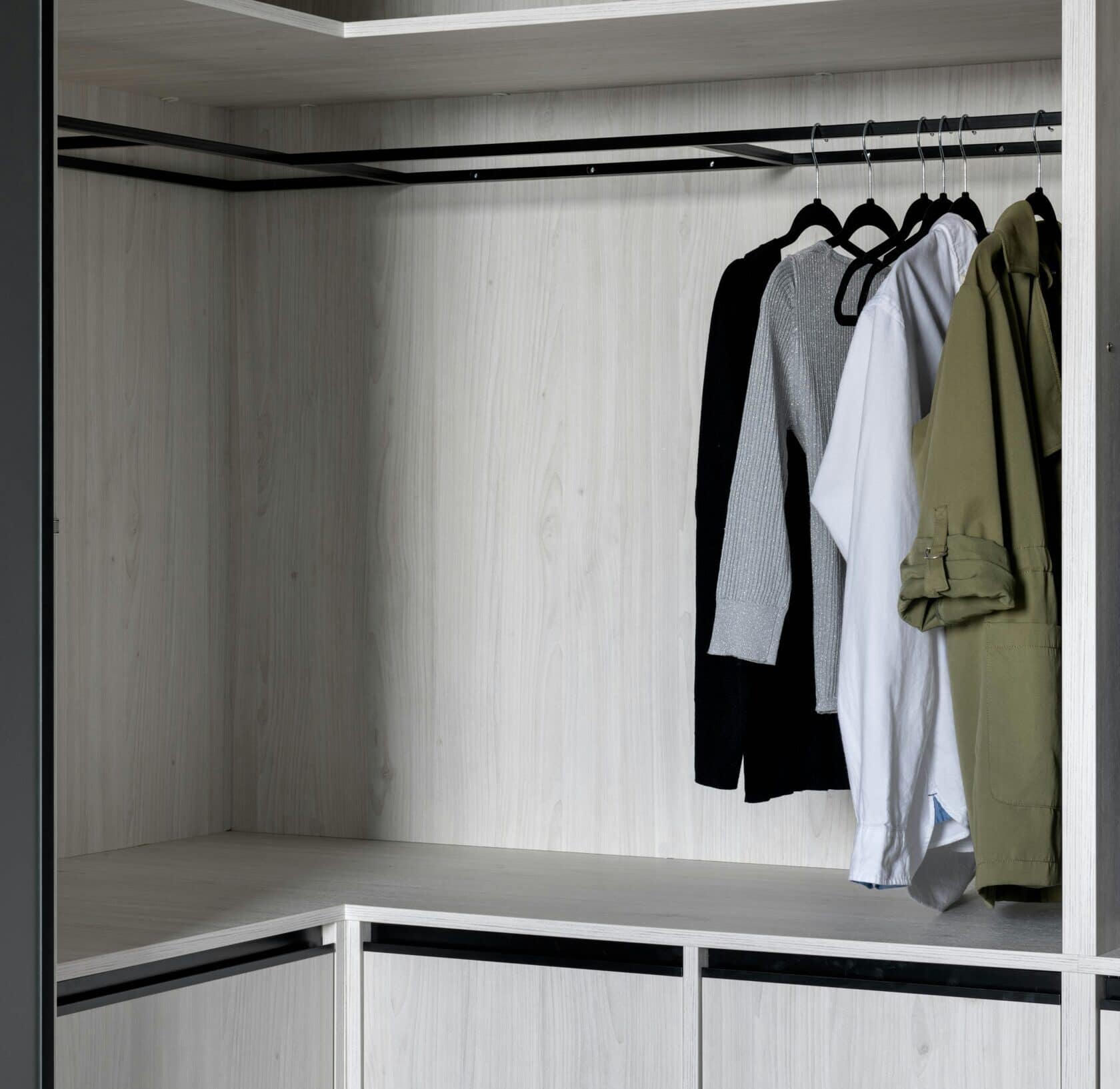
Empty space is now the scarcest resource. In the context of megacities, owning an empty room signals wealth louder than designer interiors. It’s a kind of social filter, accessible only to the upper class, meaning you have enough money to avoid storing things “just in case”. The concept of quiet luxury is also gaining popularity: instead of buying items from renowned brands, impeccable materials and cuts are now much more valued. And yes, to recognize such a status, the observer must possess a high level of cultural capital, too.

Finally, this status signaling lies in information silence, such as the absence of social media accounts or being outside the reach of attention economy algorithms. The elite no longer display an excess of possessions; today, they focus on managing their lives, carefully filtering their surroundings.
Digital Minimalism vs Physical Minimalism
While the goal of physical minimalism is to declutter our homes, a digital minimalist lifestyle strives to preserve our neural connections. Let’s compare these two concepts in more detail:
|
Minimalism type
|
Object of reduction
|
The main goal
|
Risk
|
|---|---|---|---|
|
Physical
|
Clothing and furniture
|
Space clearing
|
Asceticism as an end in itself
|
|
Digital
|
Apps, notifications, subscriptions, etc.
|
Attention protection
|
Social isolation
|
Take, for example, the rise in dumbphone sales [1] and the number of blocking apps like Freedom or Opal – people are willing to pay for something that limits their access to seemingly modern benefits. And this is the very paradox of control.
Anti-Consumerism or Controlled Consumption?
Is minimalist living the true antithesis of the still-thriving consumer society? In fact, it’s more like an evolutionary step, distilled consumption. The modern minimalist doesn’t stop buying; they radically change their transactions, choosing clothing made of durable materials and avoiding flashy self-presentation through social media and brands, etc.
For example, instead of ten pairs of mass-market sneakers for $50, a mindfulness advocate buys one pair of artisan boots for $800. This provides entry into a new type of consumption accessible only to the upper middle class. Indeed, brands like Patagonia build their marketing on calls to avoid unnecessary purchases, selling the ideology of refusal [2]. This is well-though-out consumption, where the initial bill is higher, but the moral satisfaction from the purchase is reinforced by a sense of ethical superiority. That is, modern minimalism doesn’t destroy capitalism – it gives it status.

Is Minimalism an Escape or a Strategy?
For most of us, minimalism has become an escapism. While we can’t control global crises, we can certainly reduce the number of forks in our desk drawers, which gives us the opportunity to regain control over reality, narrowed to the size of our homes.
At the same time, in professional settings, minimalism involves training ourselves to “cut out the unnecessary” to achieve psychological clarity. For example, the “deep work” method requires absolute minimalism in the environment, according to which simplicity ensures the highest efficiency of our brains. This is why many scientists use minimalism as a filter that removes visual and digital clutter, freeing up resources for problem-solving.
In this context, minimalism is used to instrumentalize the environment. It’s not the kitsch of empty space or a retreat from networks – it’s an opportunity to generate what is unachievable in the chaos of excess.
Conclusion: Simplicity as Boundary-Setting
Ultimately, anti-consumerism isn’t about aesthetics or even the ability to save money or preserve the environment. It’s about conscious identity construction, which involves drawing a line between yourself and a world that demands you be a greedy consumer and a compliant data object.
Sources:
Emily Hart
Discover with Vireon Press

We Know Everything. It’s Making Us Tired.