Military Drones: Low-Cost Systems and Modern Warfare
-
 By
VireonPress Editorial
By
VireonPress Editorial
- Technology
- 5 min read
-
By
VireonPress Editorial
- Technology
- 5 min read
Today’s military conflicts clearly demonstrate that an era of dominance by budget-friendly technological solutions has arrived. Indeed, now, the affordability of systems becomes a more compelling argument than the technological sophistication of options that cost, say, as much as an airplane wing.
Why Cost Has Become a Weapon in Itself
It was previously believed that a single high-tech fighter or tank was worth dozens of times less powerful machines. However, drone warfare has shown that this logic is no longer viable. Therefore, cost is now becoming a tactical advantage, and for several good reasons at once:
- Scalability. When a piece of equipment costs around $500 (for example, the average FPV drone), an army can afford to purchase hundreds of thousands of them and to strike previously unprofitable targets, thereby creating the effect of omnipresence of the threat;
- Attrition warfare. Cheap systems, when they are, as we noted above, omnipresent, provoke asymmetric warfare. Let’s take the example of kamikaze drones (priced at approximately $20,000), which are shot down by anti-aircraft missiles costing several million dollars. This depletes the enemy’s budget faster because their industry is unable to keep up with the replenishment of their arsenal.
- Speed of upgrades (instead of a flagship solution). Since the life cycle of a budget-friendly drone is measured in weeks, this enables extremely rapid implementation of changes to its construction or firmware. In contrast, modernizing heavy equipment typically takes years and requires colossal budgetary investments.
FPV Drones and the Shift Toward Tactical Flexibility
The advent of FPV drones has been as transformative as the invention of the Kalashnikov assault rifle many years ago. Today, these drones have reduced the cost of precision strikes by hundreds of times, making them affordable even at the platoon level.
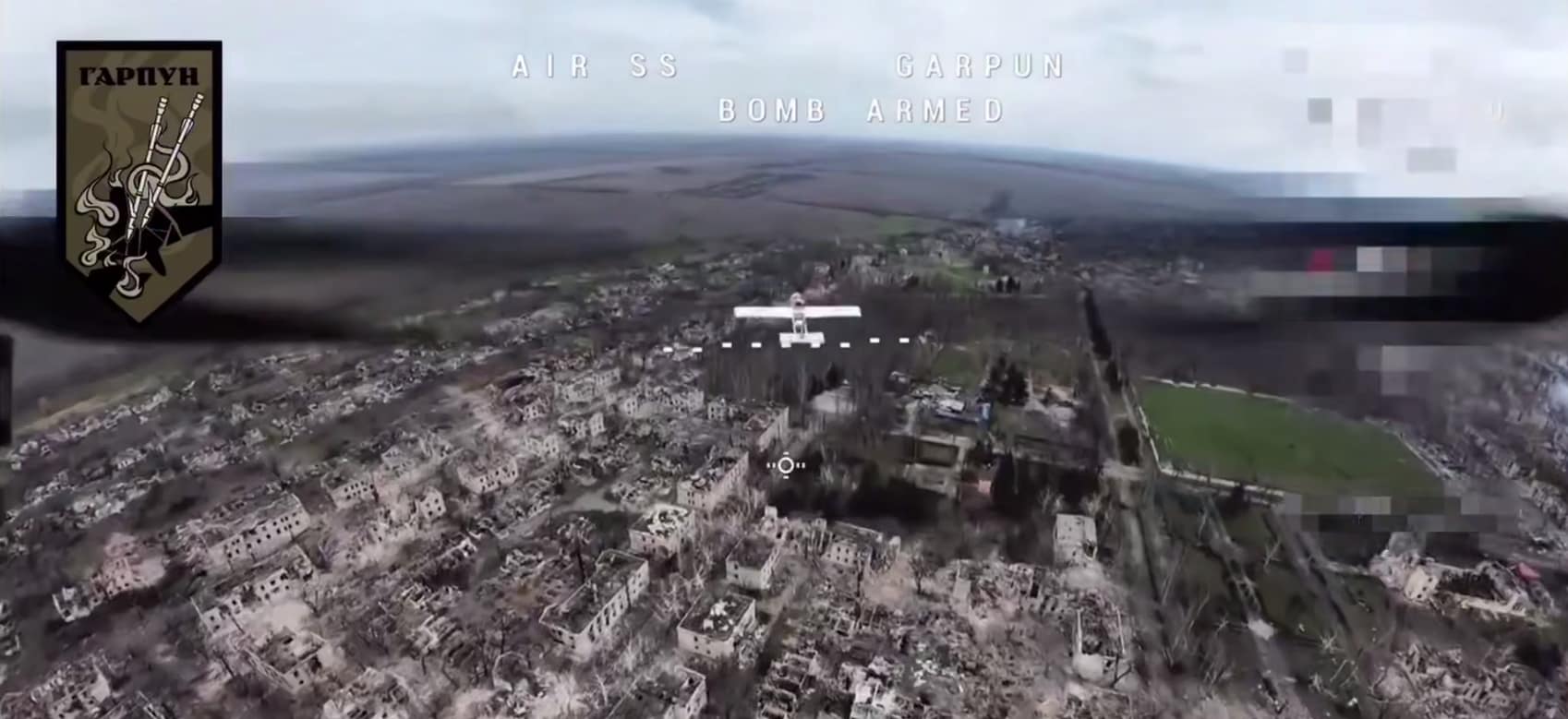
Another advantage of these weapons is tactical adaptability. This means that the drone operator sees the image in real time and can strike the enemy target at its most vulnerable point. Thus, even the cheapest drone can be comparable in effectiveness to anti-tank missile systems, while maintaining its flexibility. If we add to these short production cycles, which allow field laboratories to modify control frequencies and ammunition types in response to the emergence of new enemy electronic warfare systems, it will become clear that a new model can enter mass production within a few weeks only.
Ukraine’s Positive Contribution to Modern Drone Warfare
This year, Ukraine’s production capacity already allows for the production of over 8 million FPV drones annually. This is thanks to the country’s decision to abandon using Chinese ready-made kits and transition to their local production, including frames, flight controllers, and firmware. All this has transformed Ukraine into the world’s largest hub for the production of small unmanned systems.
Another unique feature of the Ukrainian model is the direct connection between the operator on the battlefield and the engineer on the shop floor, allowing new firmware versions to bypass new electronic warfare frequencies or design modifications for specific munitions to be implemented within days. This means developers now have the opportunity to test their combat drones under real-world electronic countermeasures, something unavailable at any other testing ground in the world.

u24.gov.ua
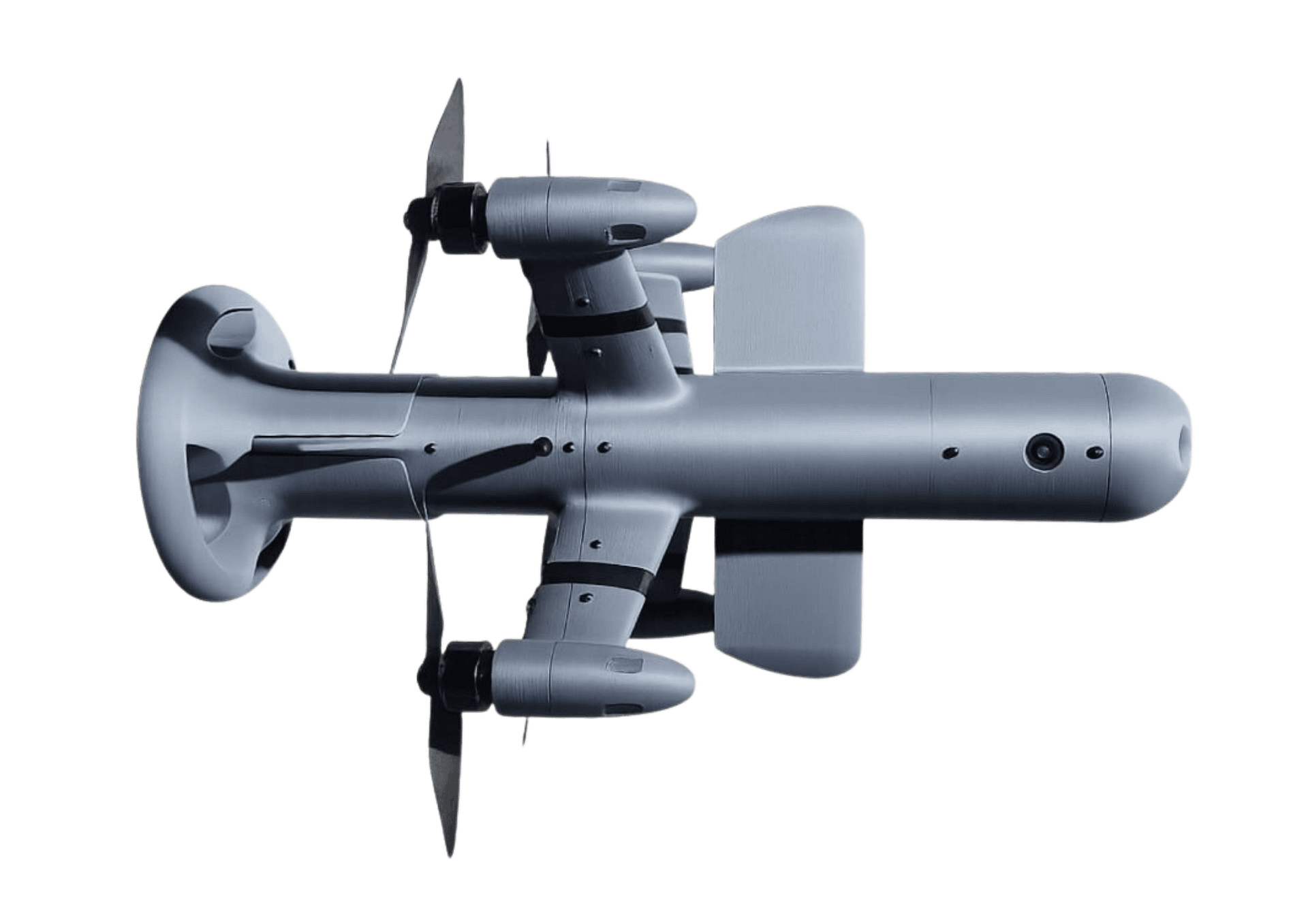
An example of this is the P1-Sun hunters [1]. These are essentially modular FPV interceptors, designed specifically to destroy Shahed and Geran UAVs. Their cost is surprisingly low (only about $1,000), but this doesn’t detract from their ability to reach speeds of up to 450 km/h and climb to altitudes of up to 5,000 meters. This means Ukraine can save expensive air defense missiles (worth millions of dollars) for larger targets. Another innovation is the JEDI Shahed Hunter [2], a vertical takeoff drone interceptor equipped with daylight and thermal imaging cameras. This device is integrated with air defense radars and is capable of automatically locking on to a target, neutralizing threats within a radius of up to 40 km.

u24.gov.ua
As a result, this year, investment in Ukrainian Defense-Tech has increased tenfold. The state-owned Brave1 cluster provides startups with access to grants and simplified commissioning, thereby transforming “garage” developments into a promising industry that currently provides over 60% of frontline firepower through unmanned systems. Thanks to this, Ukrainian drones have become multifunctional platforms: in addition to destroying targets, they can also serve as carriers of fiber optic cables and as mother drones, with a swarm of more compact devices.
Support Ukraine in a way that matters
Support Ukraine in a way that matters
From Workshop to Industry: How Drone Production Scales
Low-cost production of military drones is a decentralized manufacturing process, where all components are purchased on the global market, and final assembly can take place in hundreds of inconspicuous locations.
This means that technological advantage is now determined not by the availability of highly specialized machine tools but by the availability of software for automatic target acquisition, the effectiveness of electronic warfare evasion algorithms, and the ability to quickly scale assembly from existing components.
The Limits of Low-Cost Advantage
Low-cost systems are still not a panacea, and here’s why:
- They are vulnerable to electronic warfare (due to the fact that they often lack jam-resistant communication channels and expensive inertial navigation systems);
- They are inherently disposable, which creates a huge burden on logistics;
- They are tied to drone operators, who remain a scarce resource due to the risks to their lives and the need for extensive training;
- They require complex battle management firmware to avoid friendly fire and frequency conflicts.
Conclusion
To summarize, thanks to next-gen unmanned systems, Ukraine’s combat experience has clearly demonstrated how a country with limited resources can change the rules of the battlefield through innovation, minimizing the cycle from conception to implementation.
Sources:
VireonPress Editorial
Discover with Vireon Press

GDPR Regulations: The Real Cost of Getting It Wrong