Parasocial Relationships in the Age of Influencers
-
 By
VireonPress Editorial
By
VireonPress Editorial
- Culture
- 5 min read
- Culture
- 5 min read
In a time when the vast majority of the world’s population is registered on social media, the lines between people who may never have met in real life or even communicated directly online are blurring. Many of us wake up and check the stories of bloggers from other countries, while knowing the brand of their morning coffee and even the details of last night’s argument with their partners.
These are no longer distant celebrities; they are people to whom we involuntarily develop an emotional attachment, even though they may not even be aware of our existence. And yes, this is what is called a parasocial relationship.
What Parasocial Relationships Actually Are
The concept of parasocial relationships implies a complex psychological mechanism in which a content consumer invests emotion and time in a media personality who doesn’t reciprocate. Such relationships are one-sided, but this doesn’t prevent the brains of “fans” from experiencing real feelings.
The evolution of this phenomenon is inextricably linked to the development of image and sound transmission technologies:
- The television era (1950s-1990s). Back then, distance was just emerging, as was the term itself (actually, it was coined by Horton and Wohl in 1956 to describe the connection viewers had with news anchors [1]). At that time, parasociality was built on authority, as the announcer looked directly into the camera, creating the feeling of personal communication.
- The YouTube era (2000s-2010s). The advent of vlogs broke the fourth wall, as creators began filming content in their apartments, without makeup and sometimes even without a script. This is how the horizontal proximity effect emerged (as well as the influencer culture itself), whereby a blogger was perceived less as an idol and more as a “smart friend”.
- The era of TikTok and Instagram (2020s-present). With the popularization of short videos and live streams, we’ve experienced a sense of constant presence. Moreover, as social media algorithms become increasingly intelligent, they automatically suggest influencers who share our tastes, giving rise to the soulmate effect.
Influencer Culture and the Monetization of Intimacy
The creator economy is built on a foundation of trust, which is monetized through the emotional attachment of the audience. Influencers find it easy to convert viewers into loyal customers, and here’s why:
Selling “behind the scenes”. Sharing personal crises (such as arguments with partners or health issues) is perceived by the audience as an act of supreme trust. This strengthens digital intimacy and makes followers feel privy to a secret.
Erosion of professional boundaries. Unlike traditional advertising, influencers recommend products within the context of their own lives, which is often perceived as friendly advice, disabling viewers’ critical thinking and driving high conversion rates.
Multi-level access to the body. Platforms like OnlyFans have officially established a price list for intimacy. Viewers can pay for exclusive content that creates the feeling of personal communication, thereby implementing a subscription service model.
Community as family. Influencers often give their fans special names, creating a sense of belonging to a closed group, with the leader acting as a unifying figure. This means that the audience loyalty to the group automatically translates into its loyalty to the products it consumes.
Emotional Asymmetry: Why the Attachment Is One-Sided
Emotional asymmetry is essentially the foundation of parasocial relationships with influencers – according to its definition, while a fan is willing to give everything (as if truly in love), an idol is usually not even named after them.
In particular, a viewer can watch the same game streamer (for example, xQc or Kai Cenat) for years, falling asleep to their voices and feeling like these people are their best friends who literally pulled them out of depression. Yet, when they encounter these same streamers on the street, they see them as just another stranger. And this gap between “you saved my life” and “who are you?” creates colossal stress.
Community, Loneliness, and Algorithmic Proximity
Social media algorithms constantly “slip” kindred spirits into our lives. It’s all about algorithmic proximity, aimed at simulating the social support that many people lack in reality.
As an example, let’s consider Taylor Swift’s fandom. TikTok’s algorithms build a long feed about this girl, bringing users to an environment where they feel part of a worldwide family. For a teenager, this community can easily replace real-life friends. However, this is a trap, too: the algorithm feeds users with the fast dopamine, but as soon as the screen turns off, they’re left alone. This is essentially fake socialization, which, unfortunately, doesn’t fix the true loneliness.
When Parasocial Becomes Personal
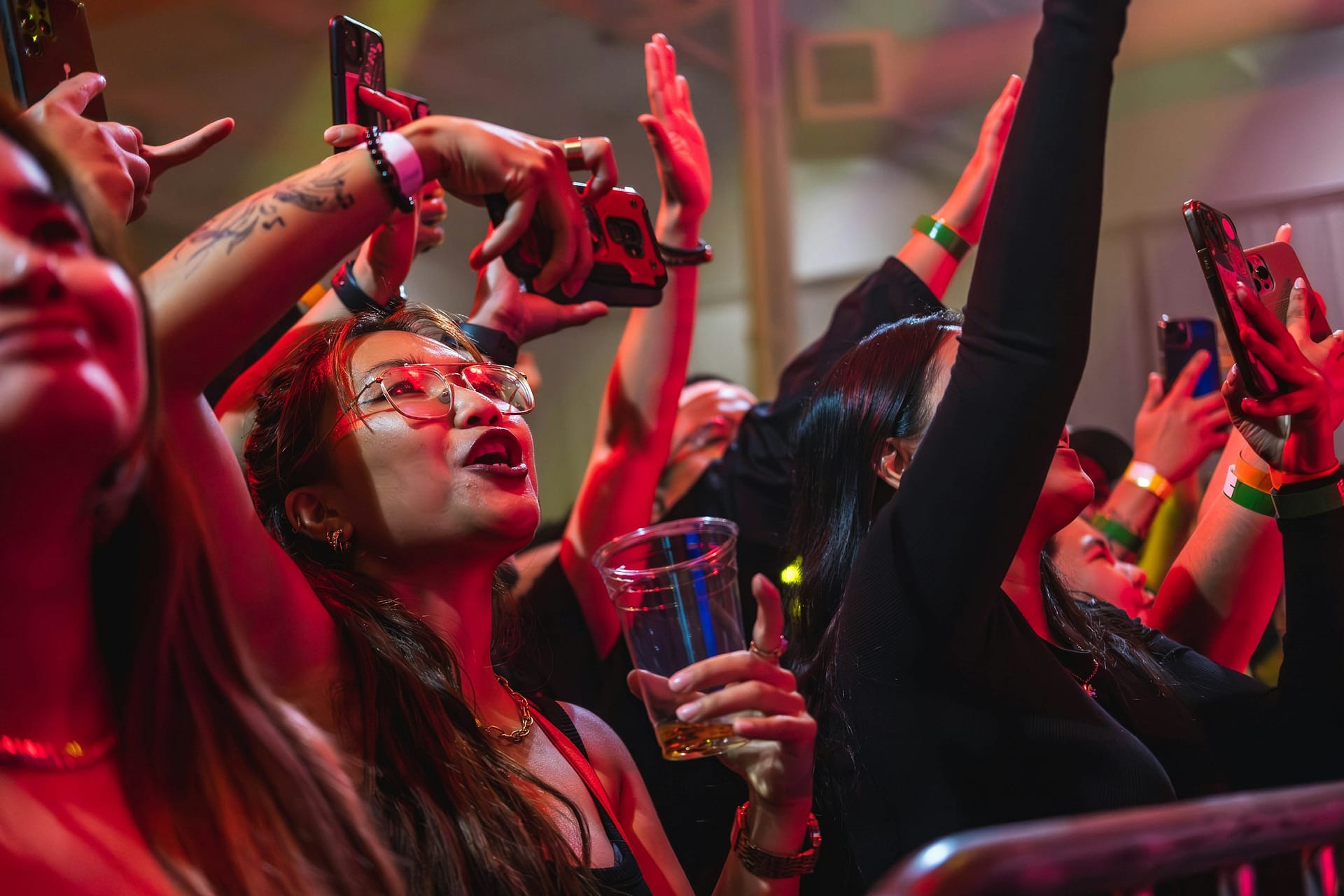
Distance fades when parasocial attachment begins to dictate real-life behavior, that is, when “we” (fans and the influencer) becomes more important than “me”. Let’s take, for example, the case of the vlogger Dream, whose face fans hadn’t seen for years [2]. When he demonstrated his face, some of the audience became enraged because the real person didn’t match their inner ideal of his online identity.
Also, in many cases of parasocial interaction, fans begin to dictate influencers’ relationships, clothing, and so on. Ultimately, parasociality often becomes toxic, as most viewers begin to believe that their donations and/or comments give them the right to control another person’s life.
Conclusion: Digital Closeness Without Mutuality
The reality is that many people look to influencers for a reflection of their ideals, but it’s important to understand that they aren’t real friends and are unlikely to ever become so. Actually, that’s why knowing social media psychology helps us save our mental autonomy and recognize that while digital intimacy can be warming, it can never replace the warmth of a handshake or a glance that isn’t captured by a camera lens.
Sources:
[1] – Parasocial Interactions | Communication and Mass Media
[2] – YouTuber Dream’s Face Reveal: A Warning About the Dangers of Fan Service
VireonPress Editorial
Discover with Vireon Press

Minimalist Lifestyle: Simplicity as a Form of Control

We Know Everything. It’s Making Us Tired.